

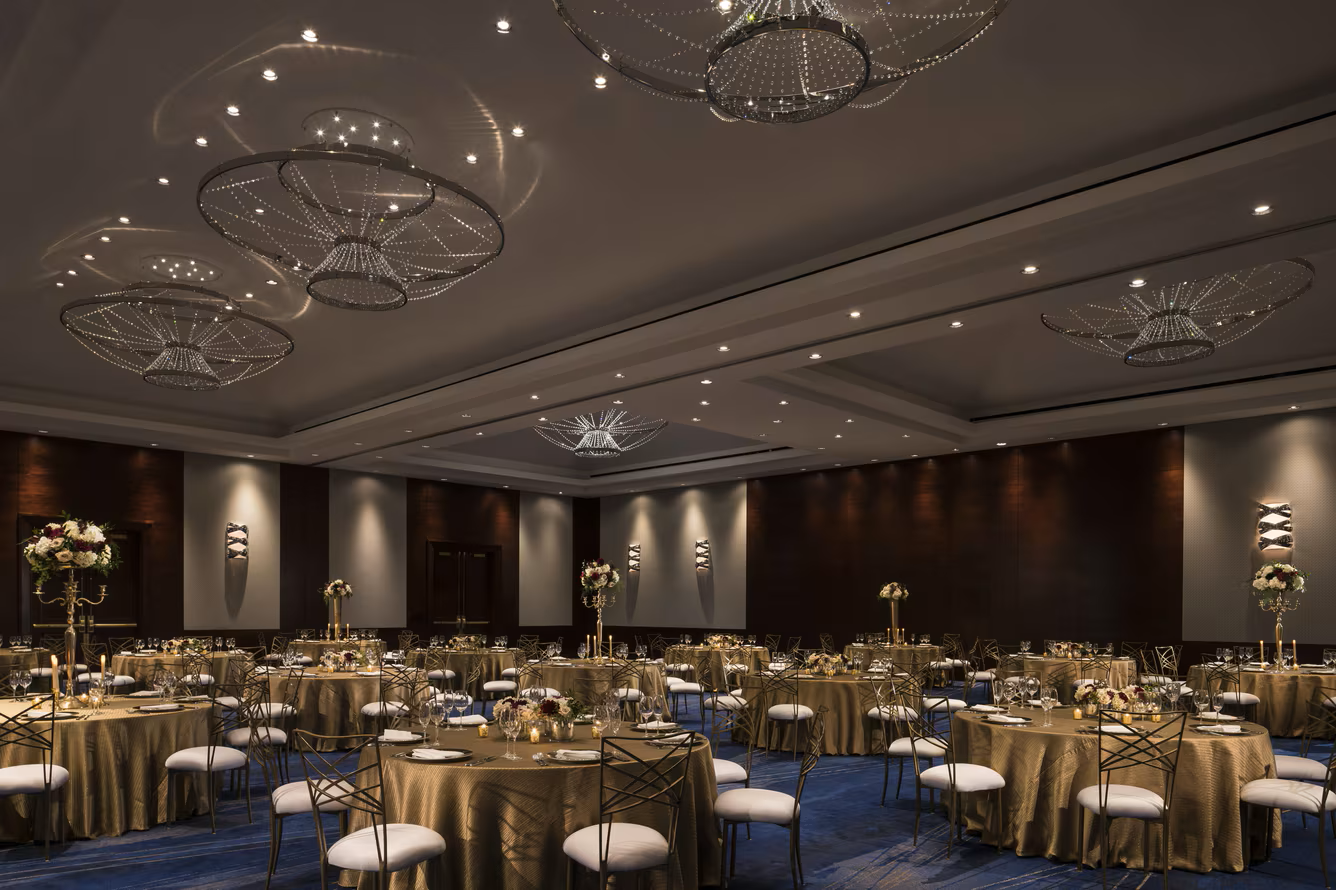
The Ritz-Carlton Denver
2026 SAIVO Annual Meeting
Denver, Colorado
May 1, 2026

2026 SAIVO Annual Meeting Program
Join us on Friday, May 1st at the Ritz-Carlton Denver! Our program structure is below:
7:00 am Coffee, Refreshments, and Badge Pick-up
8:00 am Welcome and Introductory Remarks
8:15 am Session 1: AI in Clinical Trials
9:45 am Break and Morning Poster Session
10:15 am Session 2: AI Implementation in Clinic
11:45 am Lunch and a Look Ahead for SAIVO
1:00 pm Session 3: Foundation Models and LLMs in Ophthalmology
2:30 pm Break and Afternoon Poster Session
3:00 pm Session 4: Equity, Governance, and Regulatory Considerations
4:30 pm Panel Discussion on Consensus in Ophthalmic AI
5:30pm Scientific Program Concludes
6:30 pm Reception Begins
7:30 pm Gala Dinner Begins
10:00 pm Gala Dinner Concludes
SAIVO 2026 Annual Meeting Featured Speakers
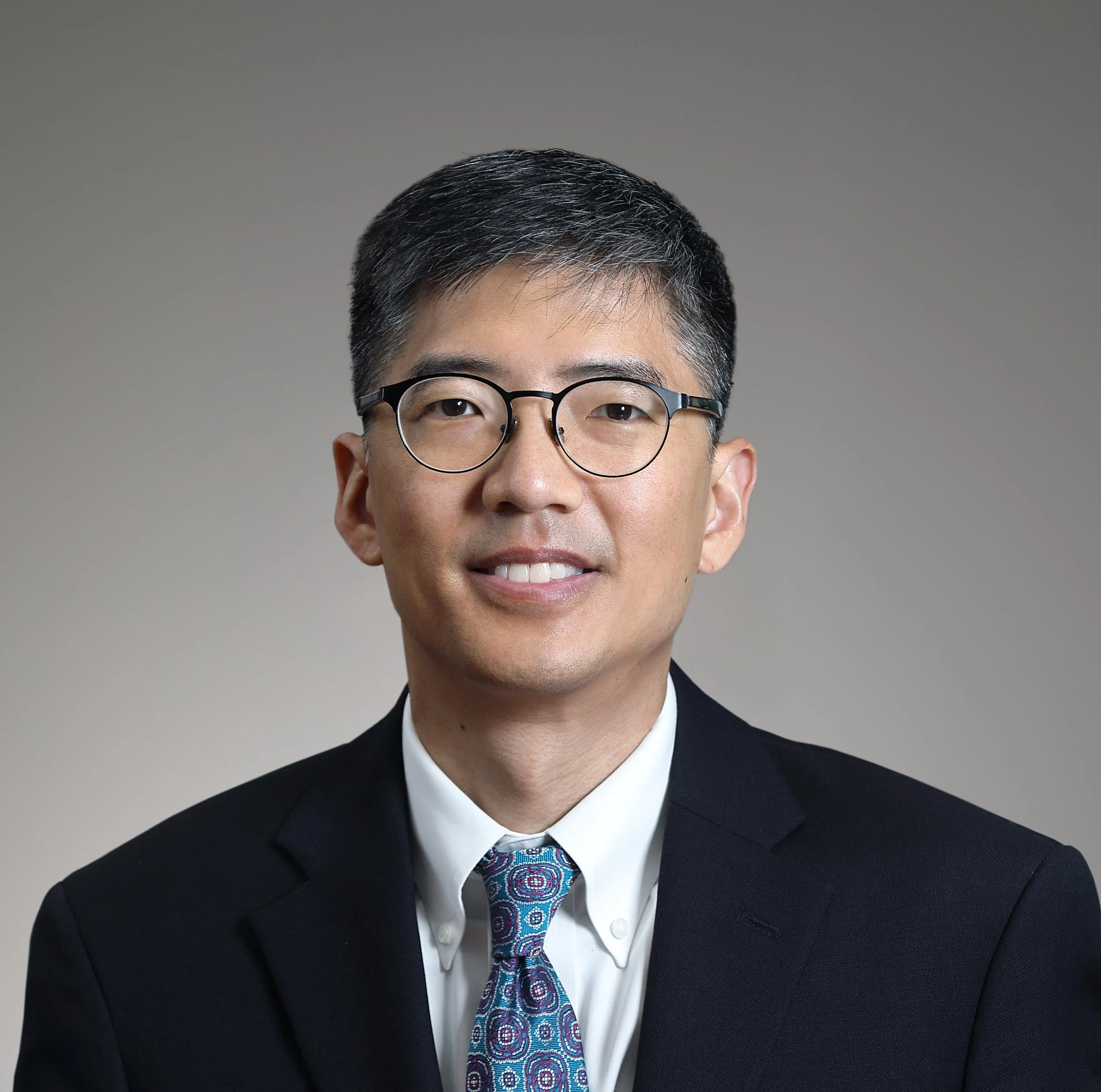
Dr. Michael Chiang | National Eye Institute
Dr. Michael F. Chiang is Director of the National Eye Institute (NEI) at the National Institutes of Health in Bethesda, Maryland. He is board-certified in ophthalmology and clinical informatics, and his research spans retinopathy of prematurity (ROP), telehealth, artificial intelligence, electronic health records, and genotype–phenotype correlation. Since joining NEI in 2020, Dr. Chiang has chaired multiple NIH-wide committees on data science, imaging, health disparities, and clinical research. He is a member of the NIH–FDA Joint Leadership Council, an Adjunct Investigator at the National Library of Medicine, and an elected member of the National Academy of Medicine. His group has published over 300 peer-reviewed papers and developed an FDA Breakthrough-Designated AI system for ROP.
Dr. Chiang received his Bachelor of Science in Electrical Engineering and Biology from Stanford University, a Medical Degree from Harvard Medical School and the Harvard-MIT Division of Health Sciences and Technology, and a Master’s degree in Biomedical Informatics from Columbia University. He trained in ophthalmology and pediatric ophthalmology at the Johns Hopkins Wilmer Eye Institute and previously held faculty positions at Columbia University and Oregon Health & Science University.
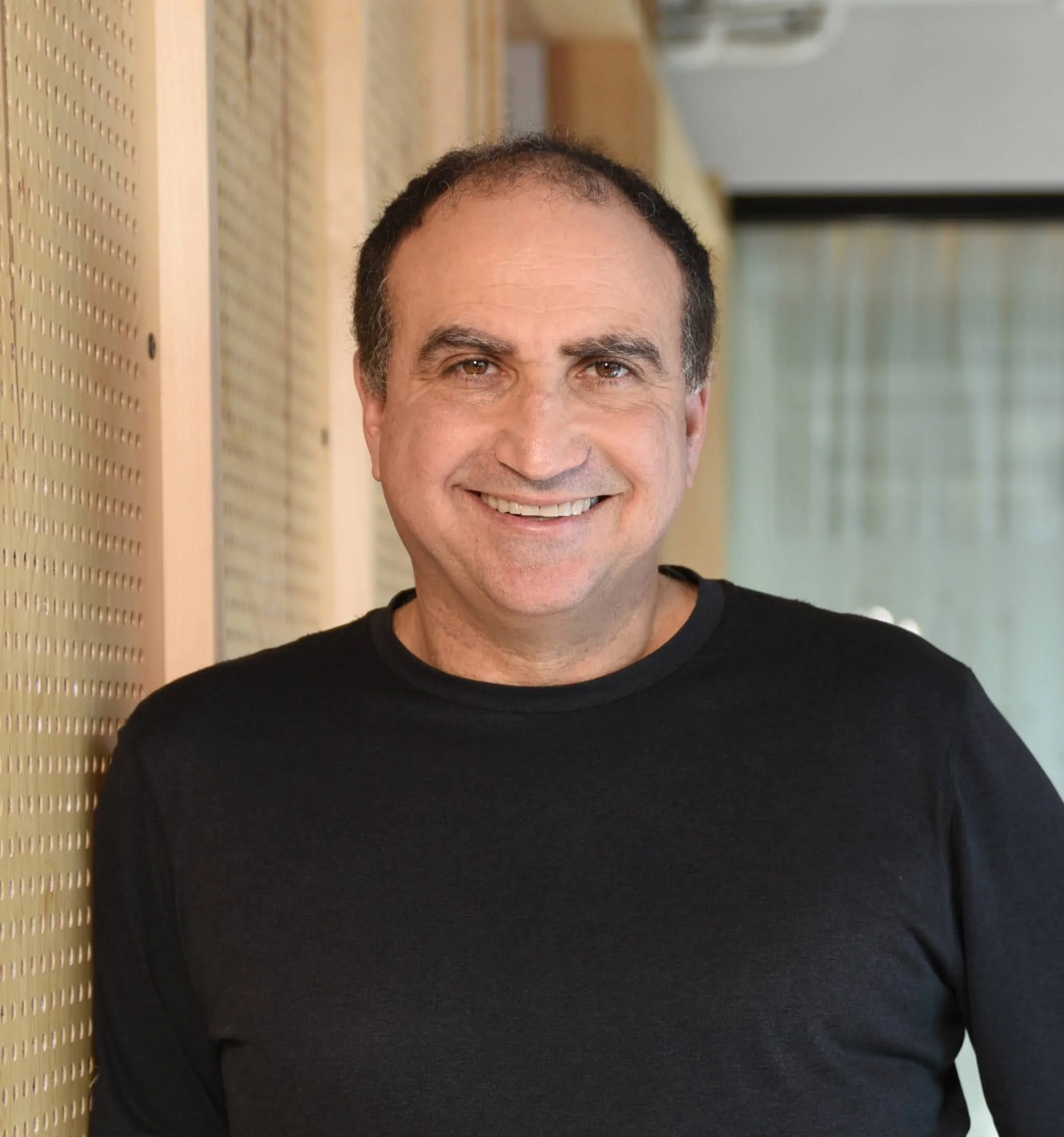
Dr. Yossi Matias | Google Research
Yossi Matias is Vice President at Google, and the Head of Google Research.
Under Yossi’s leadership, world-class global teams are leading breakthrough research on Foundational Machine Learning & Algorithms, Computing Systems, Quantum Computing, and Science, with a distinct focus on AI for Societal Impact in Health, Climate, Sustainability, Education, Socio-Cultural and behavioral alignment research, and frontier advancements in Generative AI.
Yossi is the architect of the “magic cycle” of research, a systematic approach that connects foundational scientific breakthroughs directly to real-world impact. His teams have pioneered transformative Health AI advancements, from the seminal work on diabetic retinopathy screening, which is making eyesight-saving care more accessible globally, to cutting-edge AI models like AMIE, designed to empower clinicians and improve diagnostic dialogue, and MedGemma, an open-weights model enabling developers to transform healthcare delivery at scale.
Beyond healthcare, Yossi helps shape the future of technology through advancements in computing systems and generative AI. He was previously on Google Search leadership for over a decade, driving strategic features and technologies, and pioneered Conversational AI innovations to help transform the phone experience through removing barriers of modality and languages. He was also the founding lead of the Google center in Israel. During his tenure, Yossi spearheaded initiatives such as Google's AI for Social Good, Crisis Resilience, including Flood Forecasting, Google for Startups Accelerator, and programs fostering STEM and AI literacy for youth.
Prior to Google Yossi was on the Computer Science faculty at Tel Aviv University, a visiting professor at Stanford, and a Research Scientist at Bell Labs. He’s published over 200 papers, is the inventor of over 80 patents, and has pioneered some of the early technologies for internet privacy, contextual search, and the effective analysis of Big Data. He is a recipient of the Gödel Prize, an ACM Fellow, and the ACM Kanellakis Theory and Practice Award for seminal work on streaming algorithms, data sketches, and large-scale data analytics.
Yossi has a track record of impact-driven breakthrough research, aiming to make AI an amplifier of human ingenuity and capacity, accelerate scientific discovery and address global challenges.
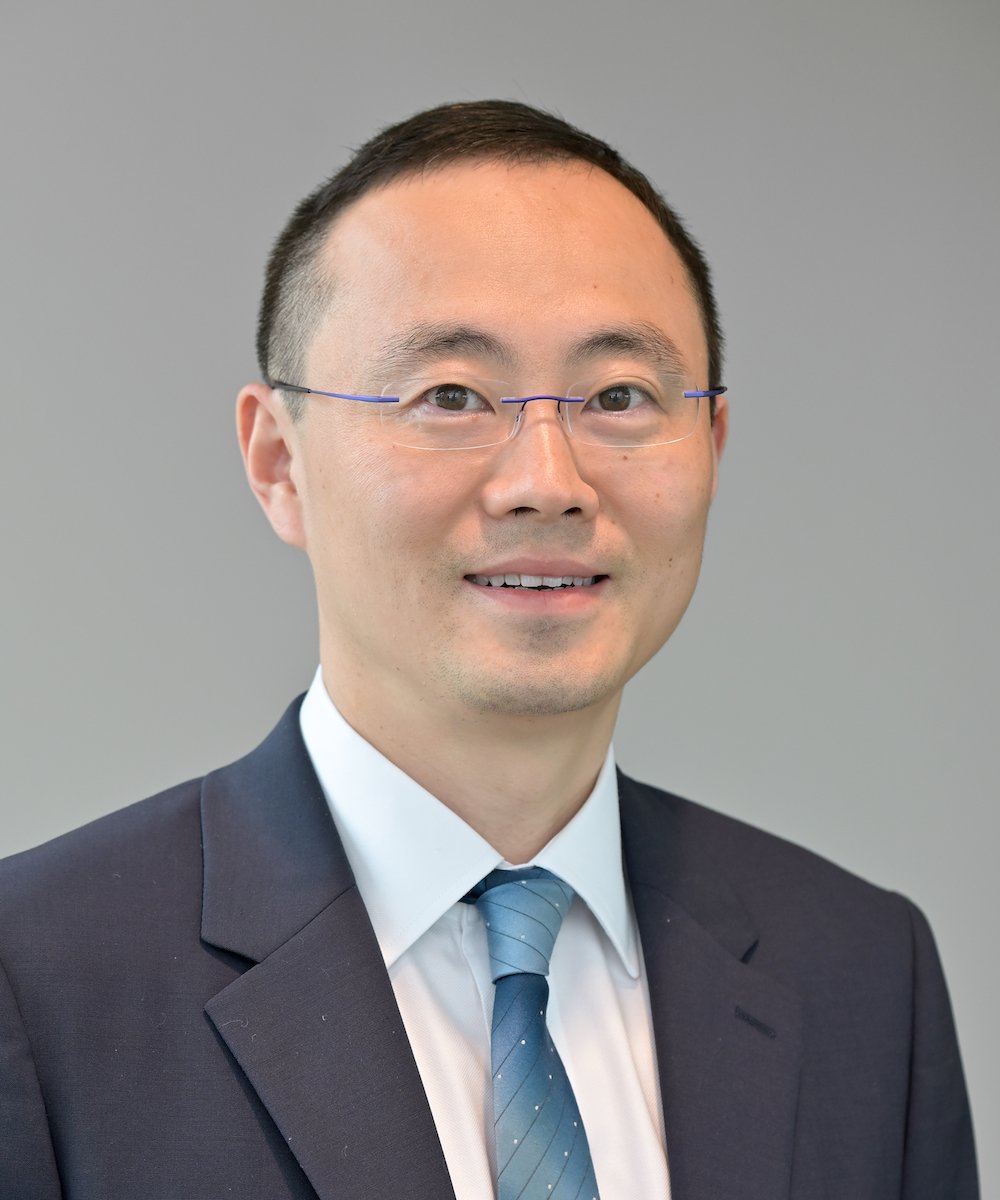
Dr. Zhiyong Lu | National Library of Medicine
Dr. Zhiyong Lu is a Senior Investigator at the National Library of Medicine where he directs artificial intelligence and machine learning research for biomedicine. In addition, Dr. Lu is Adjunct Professor of Computer Science at the University of Illinois Urbana-Champaign (UIUC). Dr. Lu is a highly cited researcher with over 400 publications, and his AI research has been deployed in real-world systems like PubMed, benefiting millions each day. Dr. Lu’s research has been frequently featured in major news outlets and recognized with numerous awards, including the NIH Director’s Award, Clinical Center CEO Awards, and NLM Regents Award. Dr. Lu has been elected to the American College of Medical Informatics (ACMI) and the International Academy of Health Sciences Informatics (IAHSI).
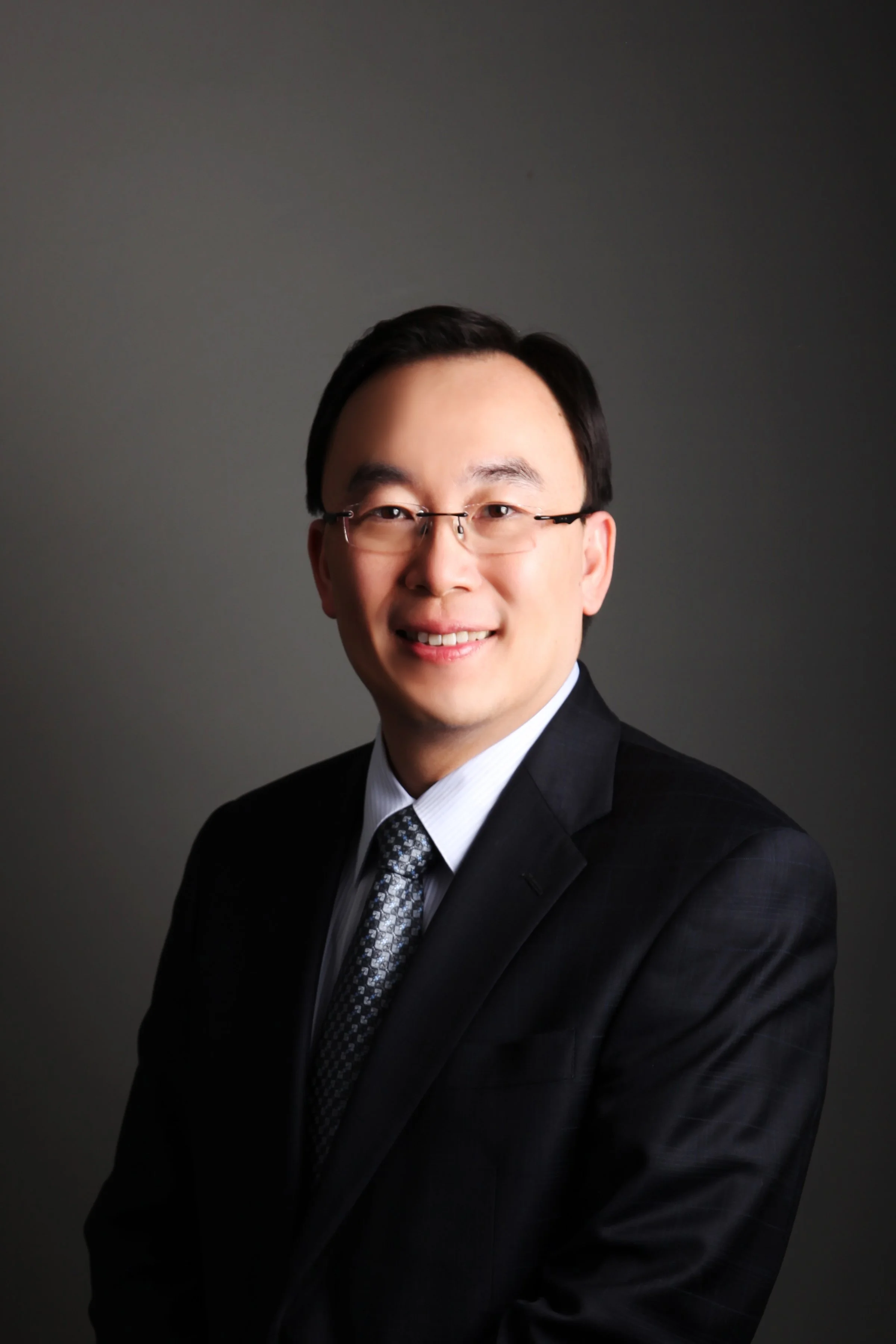
Dr. Yu Shyr | Vanderbilt
Yu Shyr received his PhD in biostatistics from the University of Michigan in 1994 and subsequently joined the faculty at Vanderbilt University School of Medicine, where he won the Hawiger Award for Excellence in Teaching in 2012 and was inducted into the Academy for Excellence in Education in 2013. Renowned for his development of integrative methods and high-impact applications of those methods, Shyr is an elected fellow of the American Statistical Association (ASA), the American Association for the Advancement of Science (AAAS), and the American Association for Cancer Research (AACR), and he holds an honorary doctorate from National Cheng Kung University. He has published more than 575 peer-reviewed papers (h-index = 131) and serves as an associate editor for JAMA Oncology and Journal of Thoracic Oncology. Shyr has presented more than 290 invited talks, workshops, and courses around the world and currently co-directs the BMSF-AACR Design and Implementation of Clinical Trials Workshop, part of the Robert A. Winn Excellence in Clinical Trials Award Program established by the Bristol Myers Squibb Foundation.
In demand as an expert on external advisory boards and data safety monitoring committees across the United States, Shyr was a voting member of the US Food and Drug Administration (FDA) Anti-Infective Drugs Advisory Committee and has served on dozens of National Cancer Institute (NCI) study sections and panels. As principal investigator of the Barrett’s Esophagus Translational Research Network Coordinating Center (BETRNetCC), funded by an NCI U24 grant, Shyr led a team that provided crucial support for the collection, management, analysis, and dissemination of data among multiple research centers. His current projects include developing novel statistical and bioinformatic tools for biomedical research and improving experiment and clinical trial design, particularly in the areas of proteomics and genomics, with special focus on RNA sequencing.
Faculty Speakers
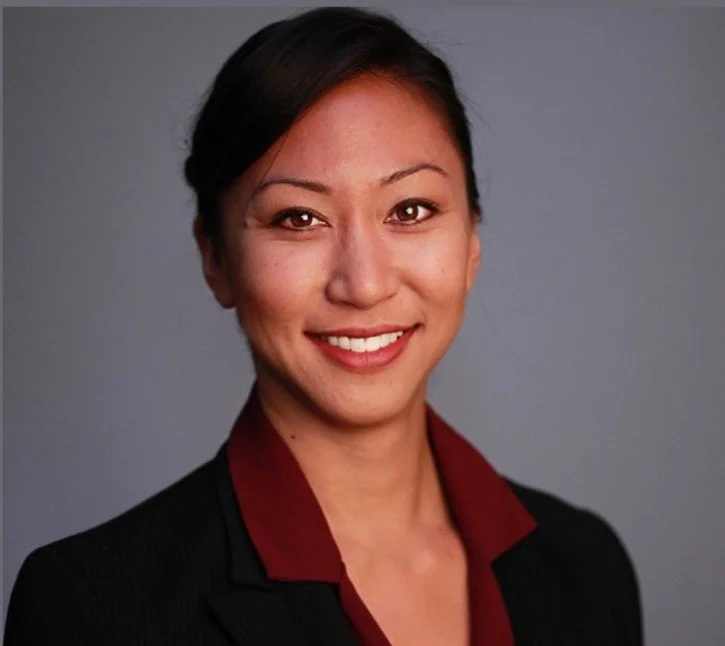
Dina Abulon — United States
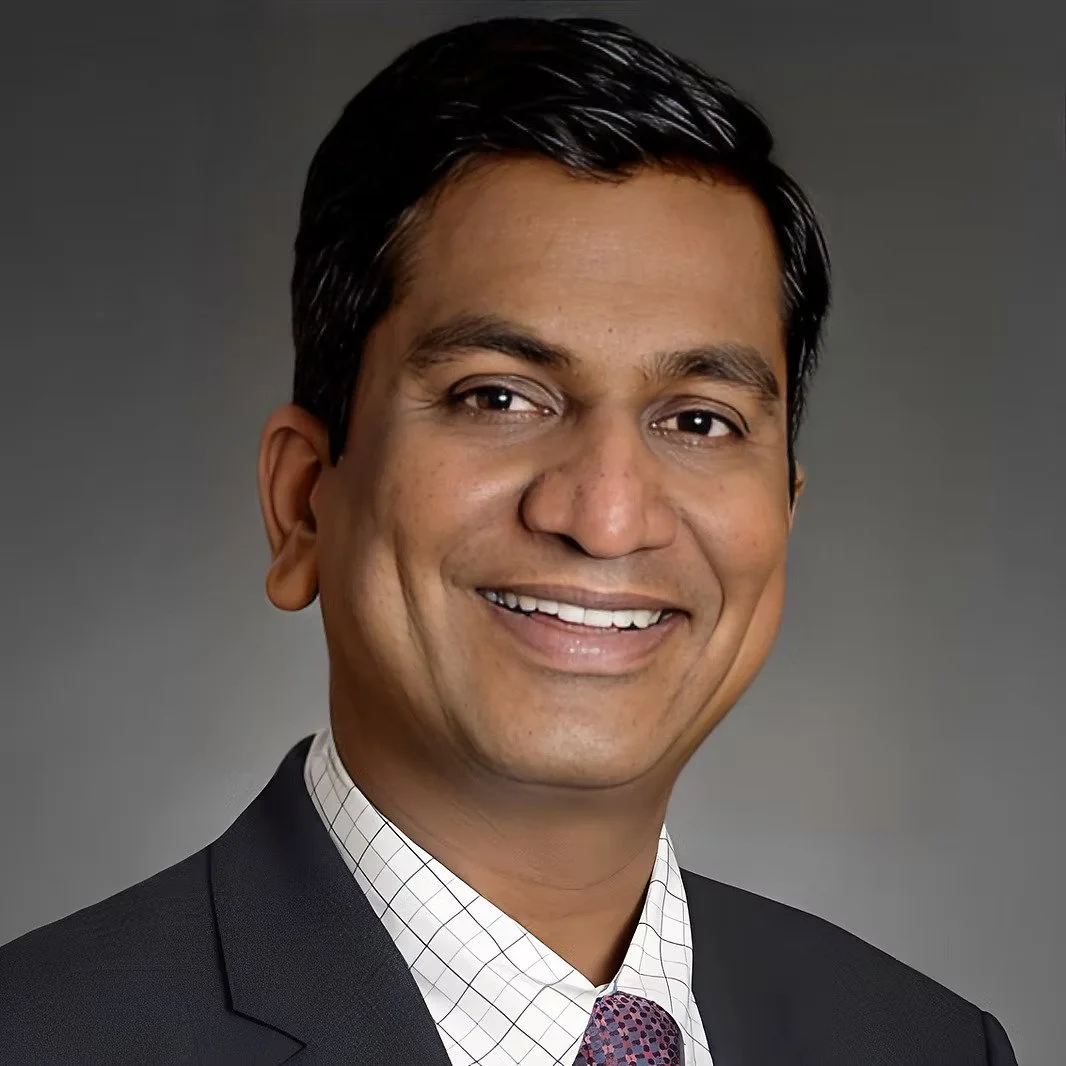
Rupesh Agrawal — Singapore
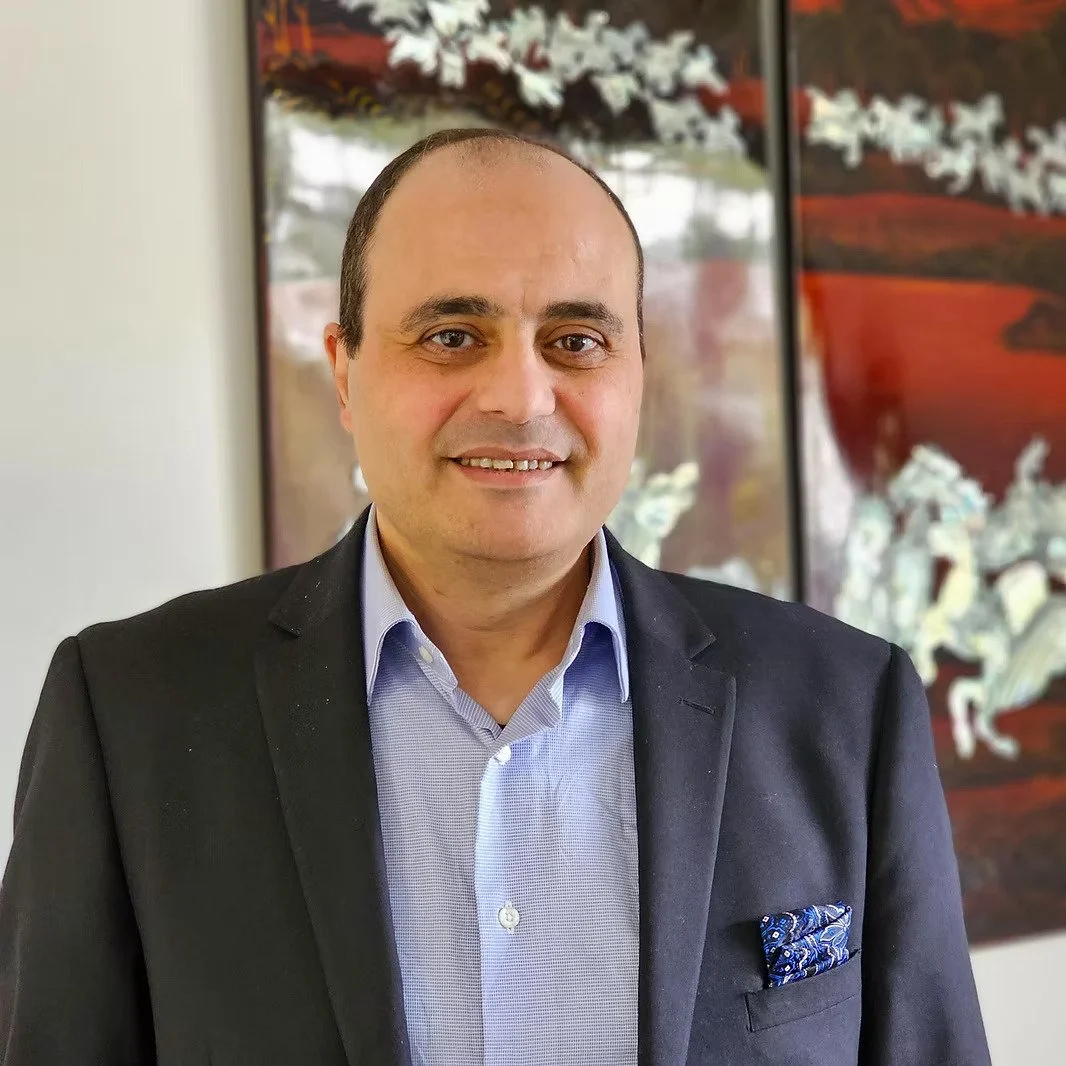
Mohamed Ahmed — United States
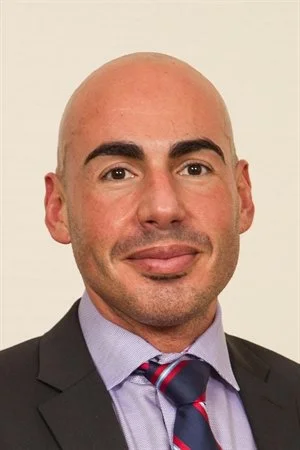
David Almeida — United States
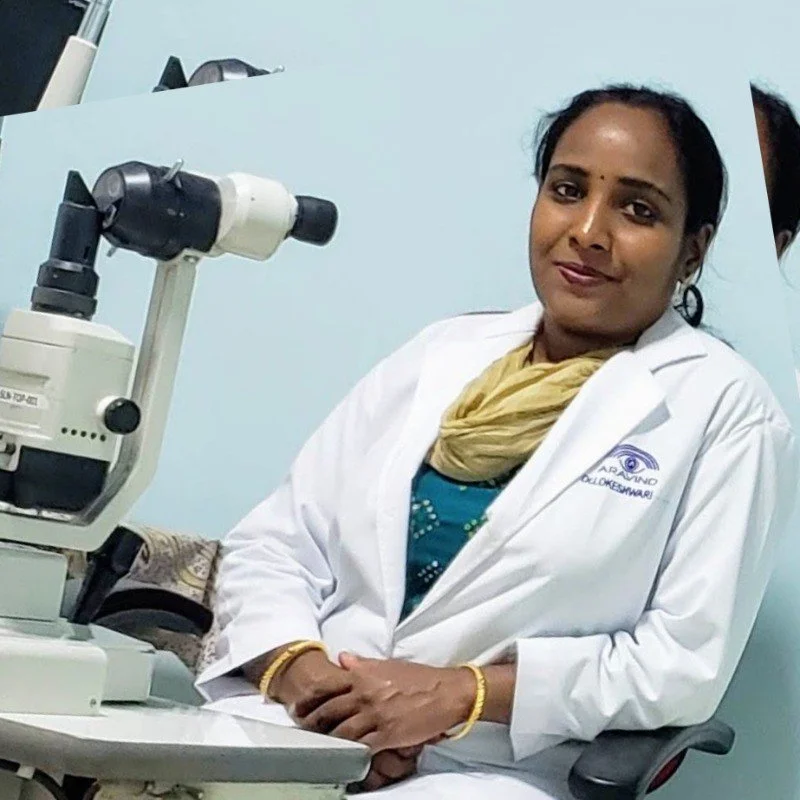
Lokeshwari Aruljyothi — United States
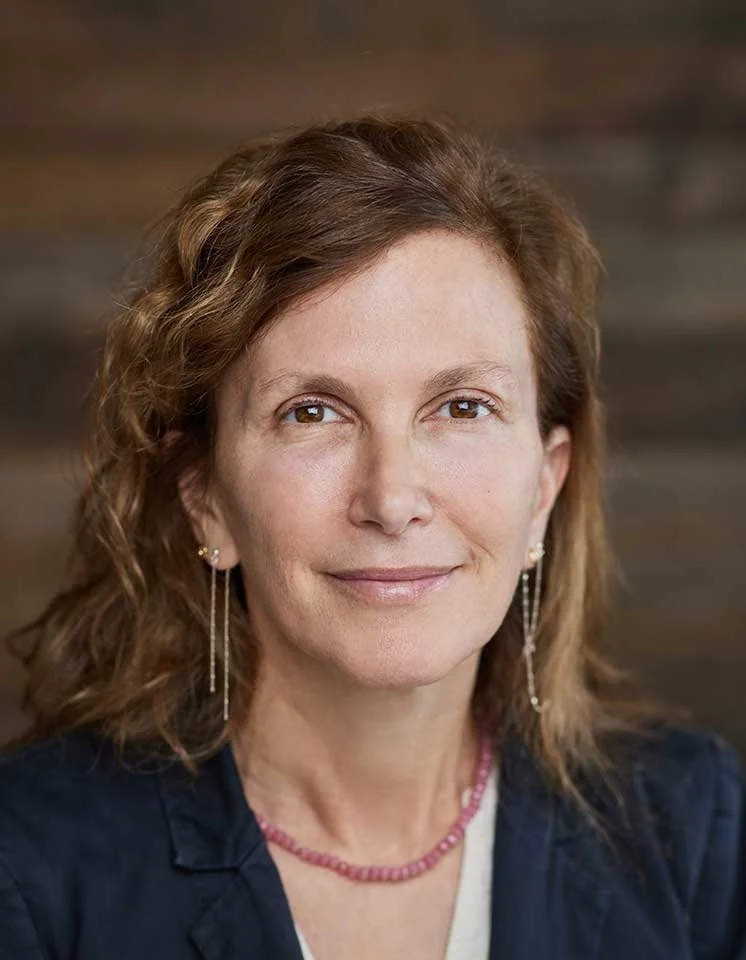
Caroline Baumal — United States
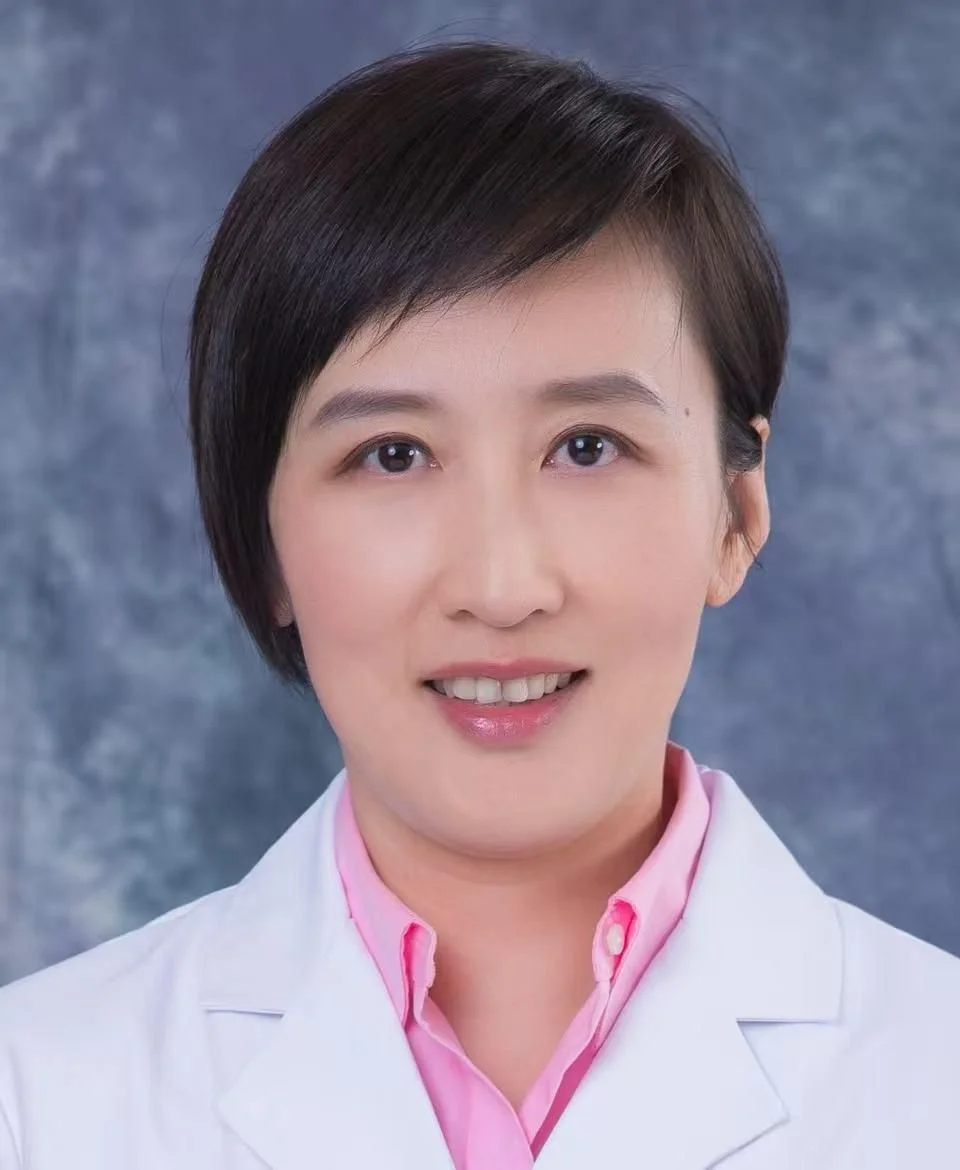
Ling Chen — China
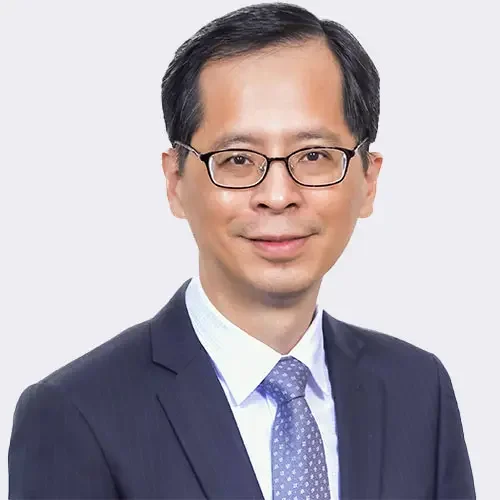
Ching-Yu Cheng — Singapore
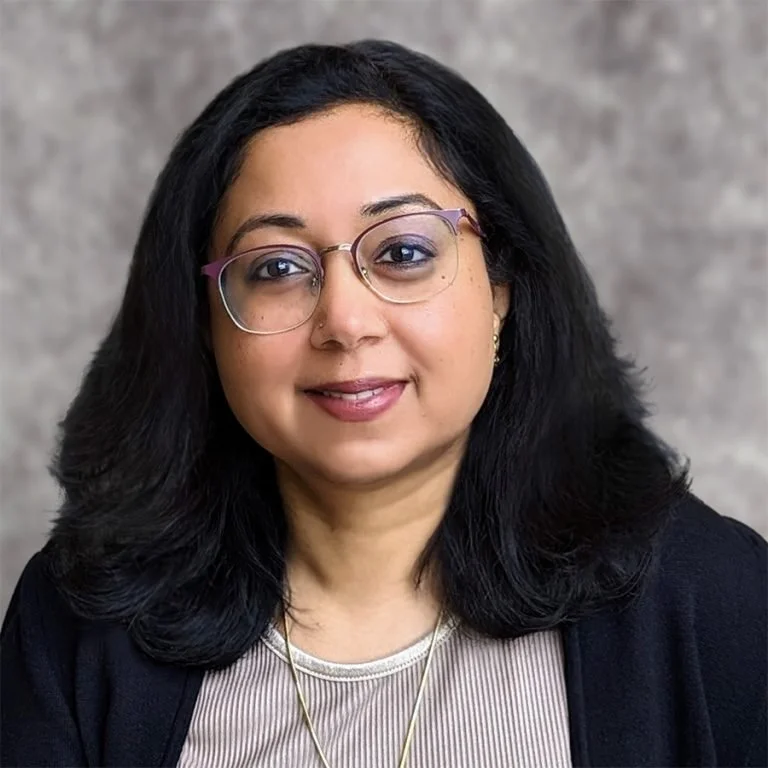
Amitha Domalpally — United States
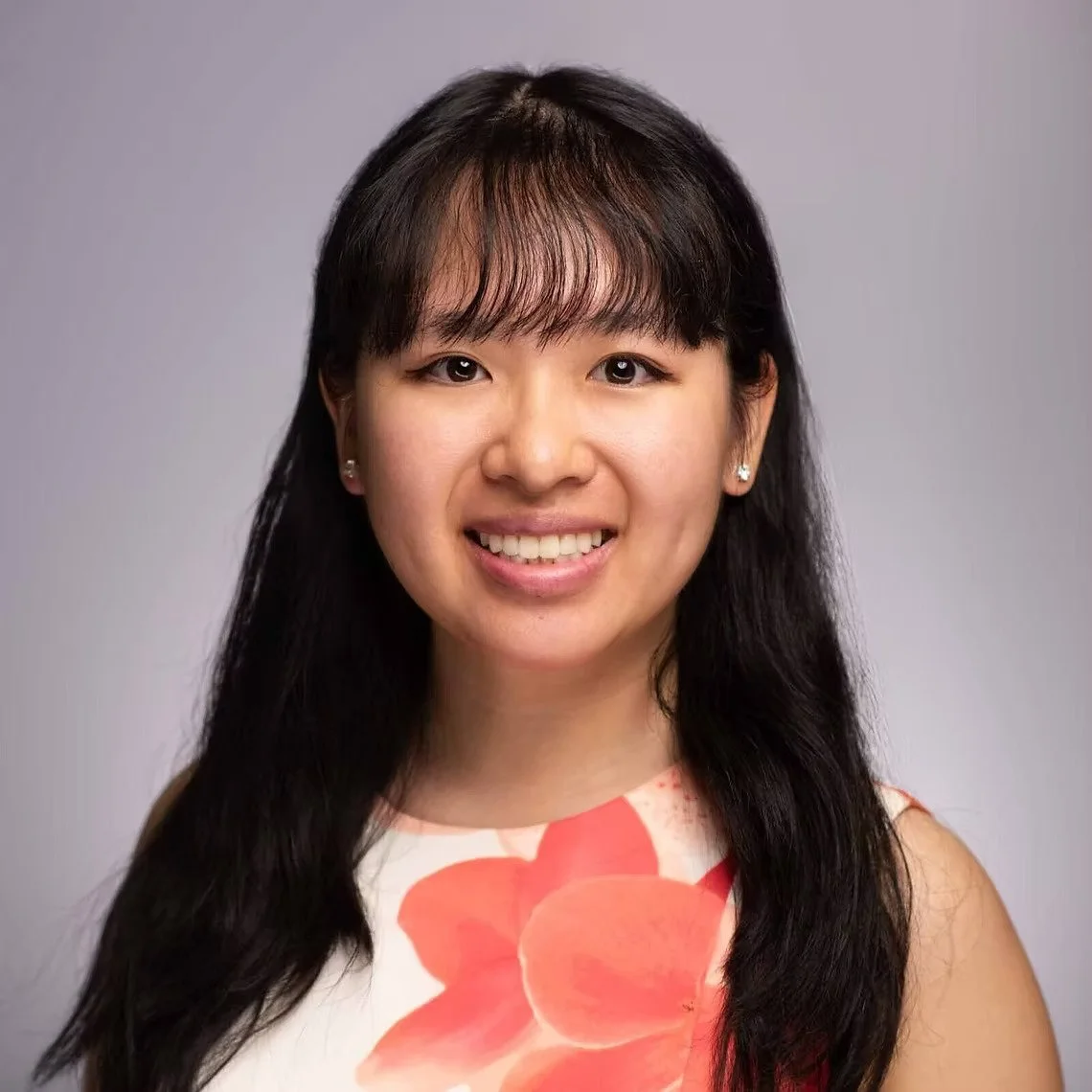
Anh Ngoc Tram Tran— United States
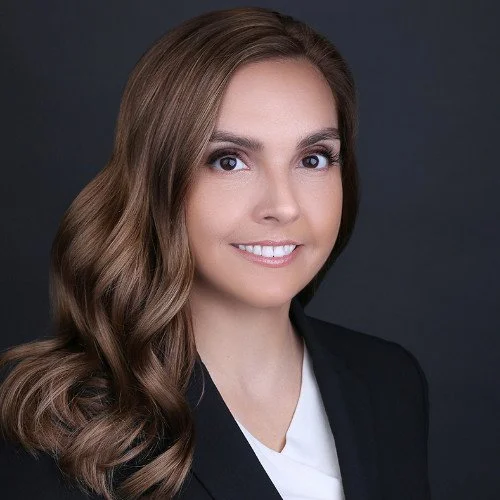
Daniela Ferrara — United States
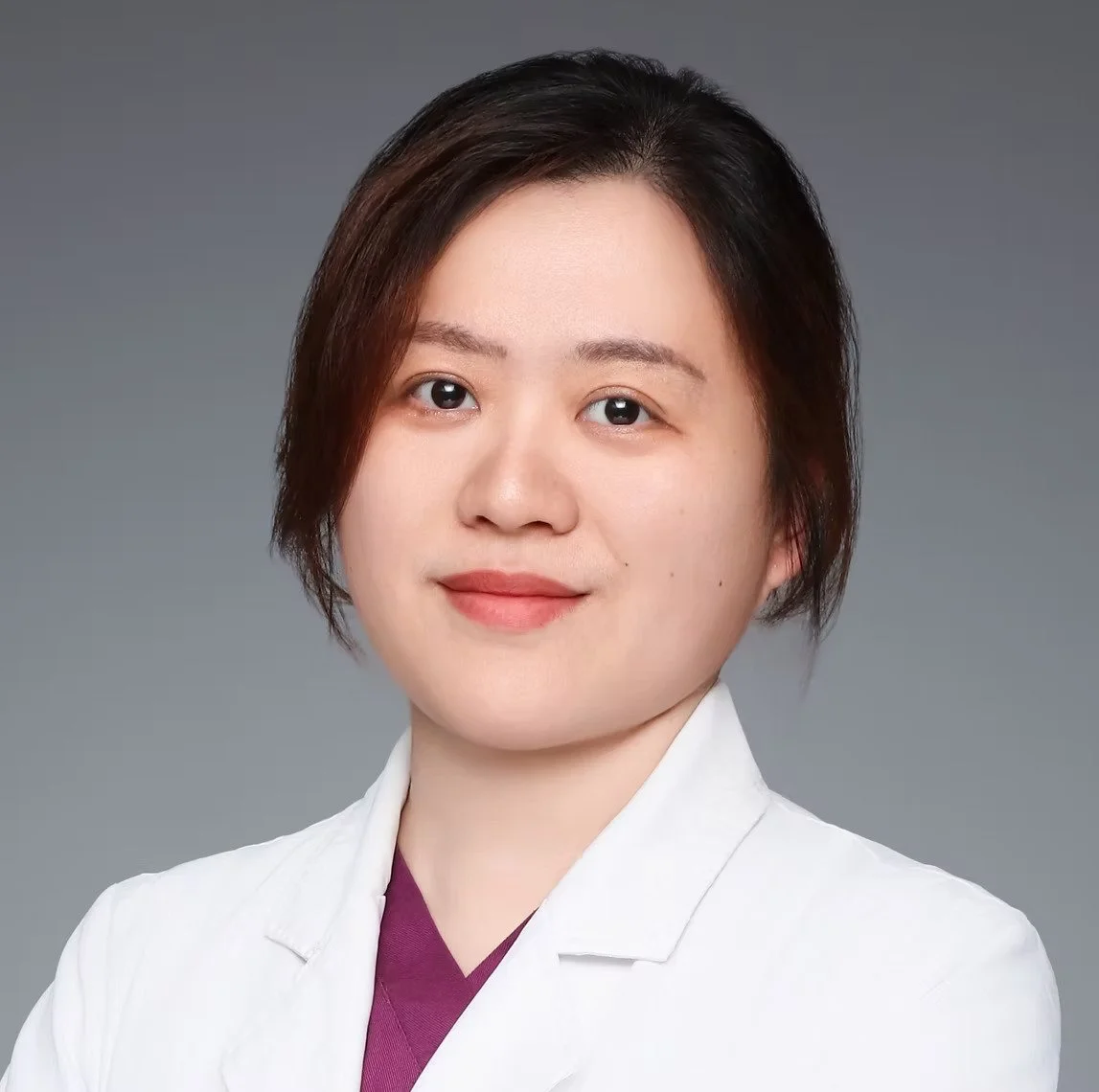
Jingli Guo — China
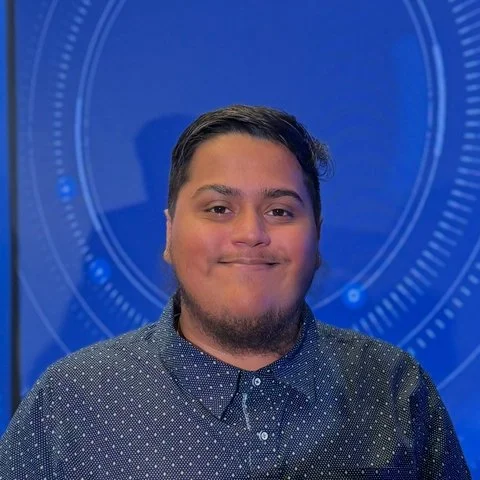
Jawwad Javeed — United States
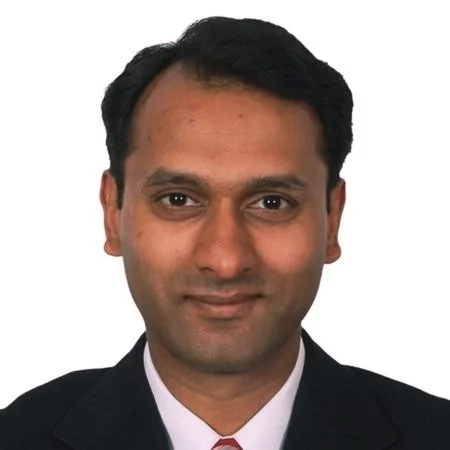
Tushar Kale — Sweden
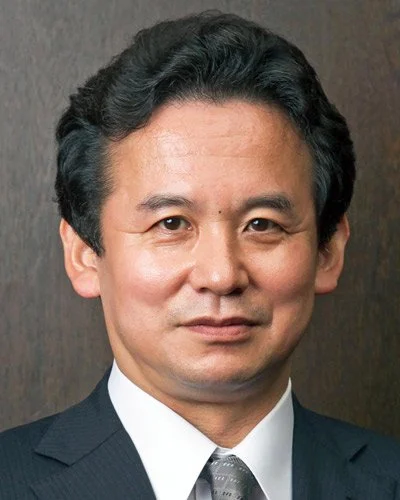
Toshinori Murata — Japan
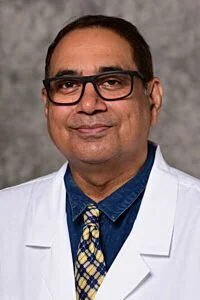
Rajiv Raman — United States
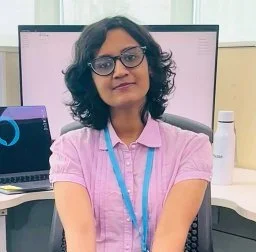
Varsha Satish — United States
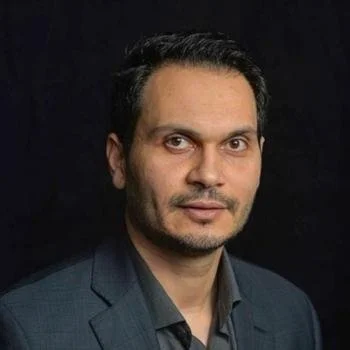
Yasir Sepah — United States
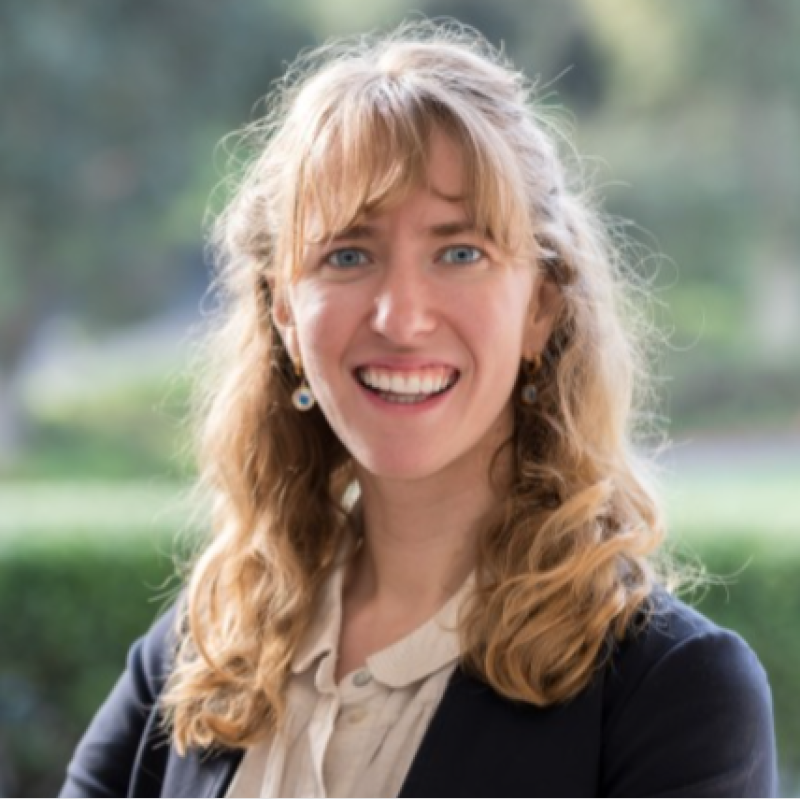
Jordan Shuff — United States
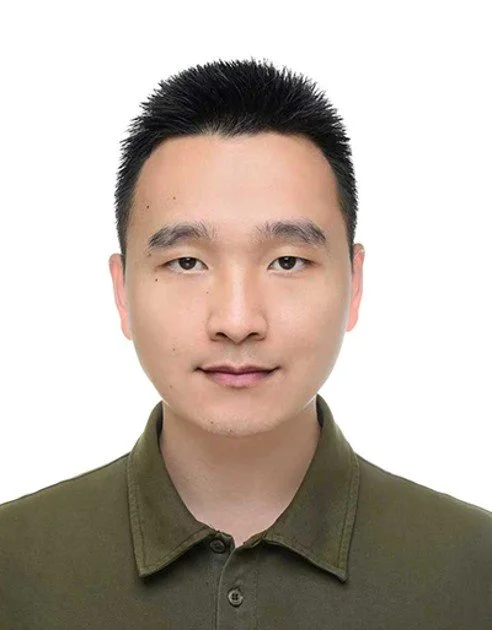
Meng Wang — Singapore
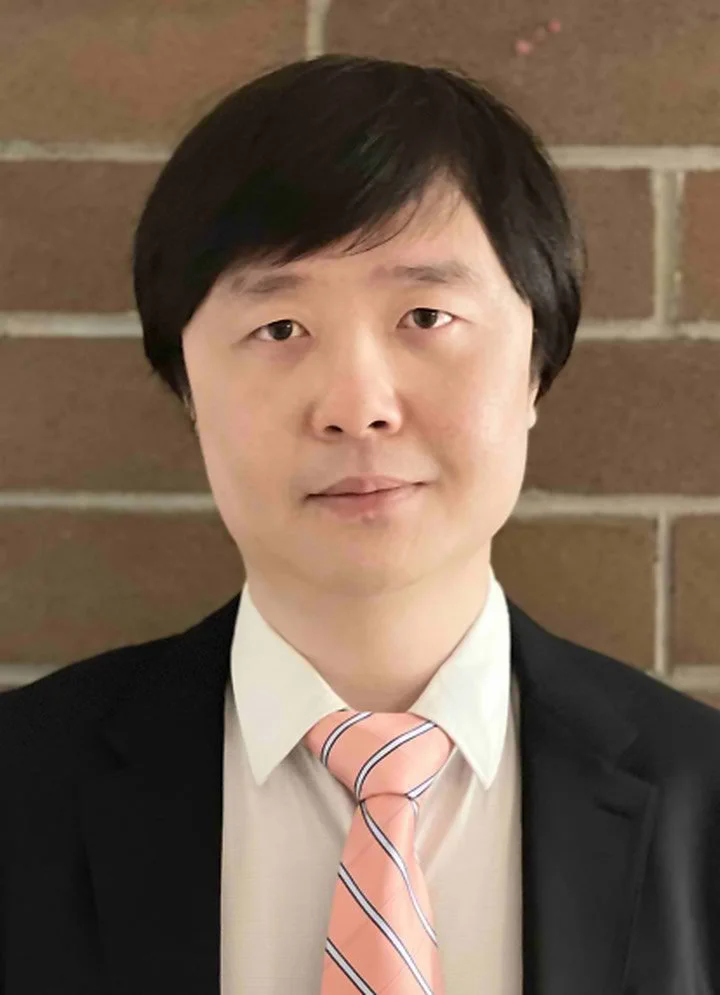
Mengyu Wang — United States
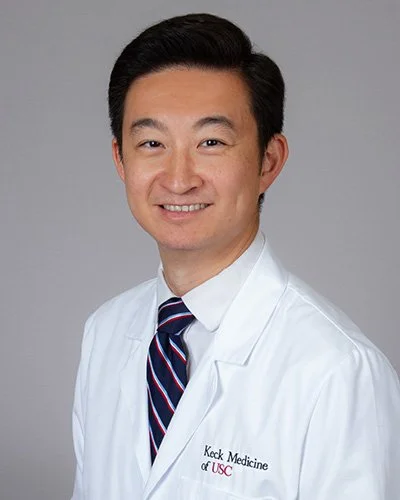
Benjamin Xu — United States
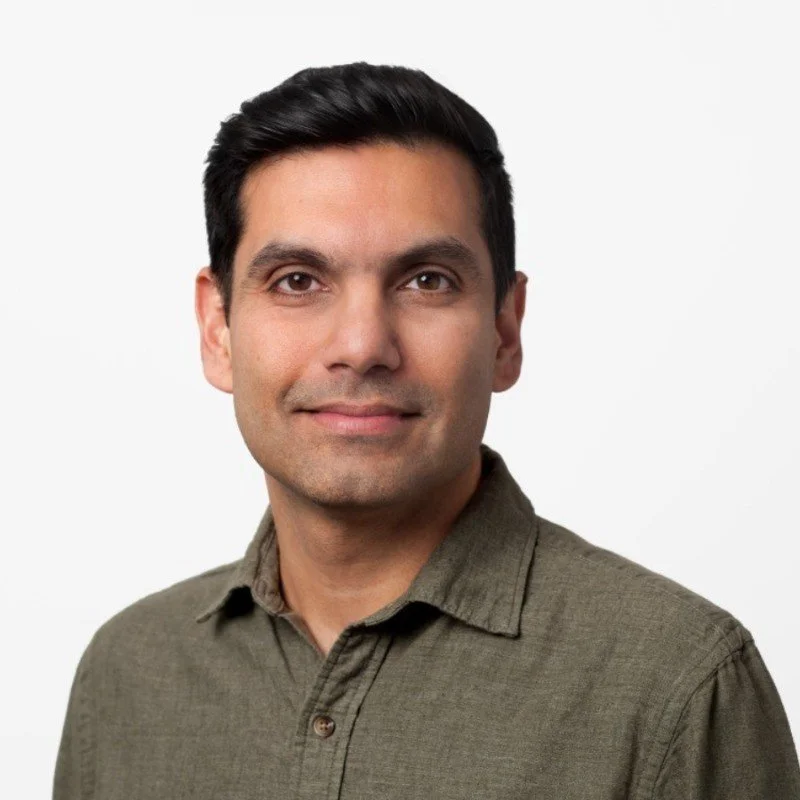
Sunny Virmani — United States
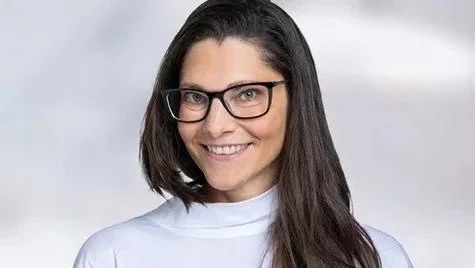
Marion R. Munk — Switzerland
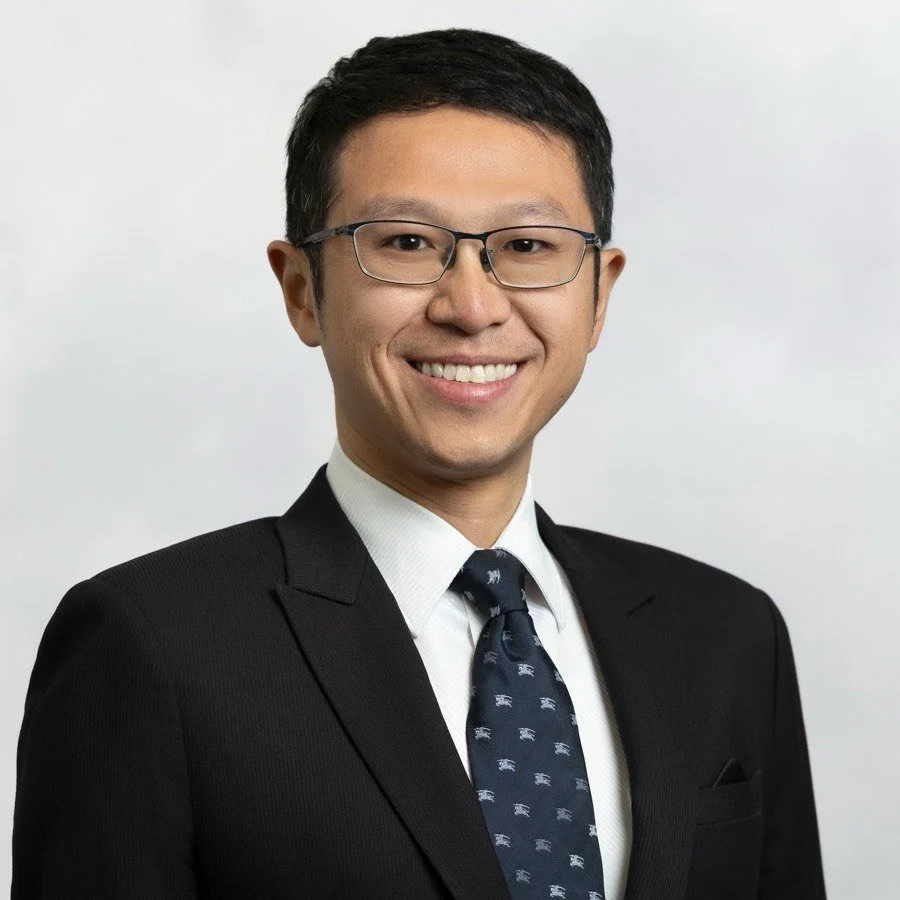
Jia-Horung Hung — United States
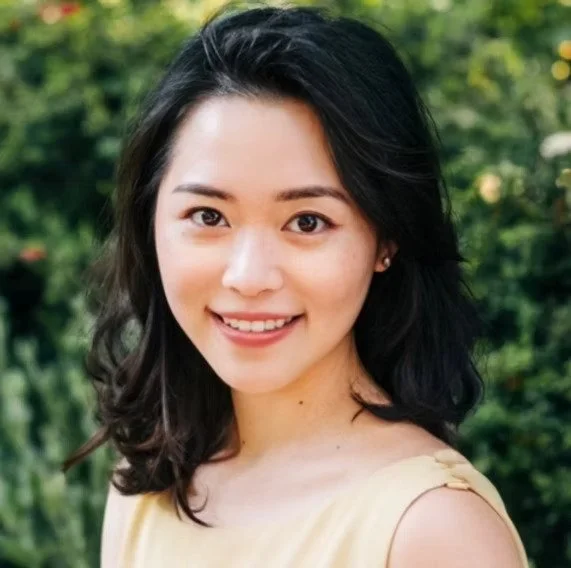
Victoria Gu — United States
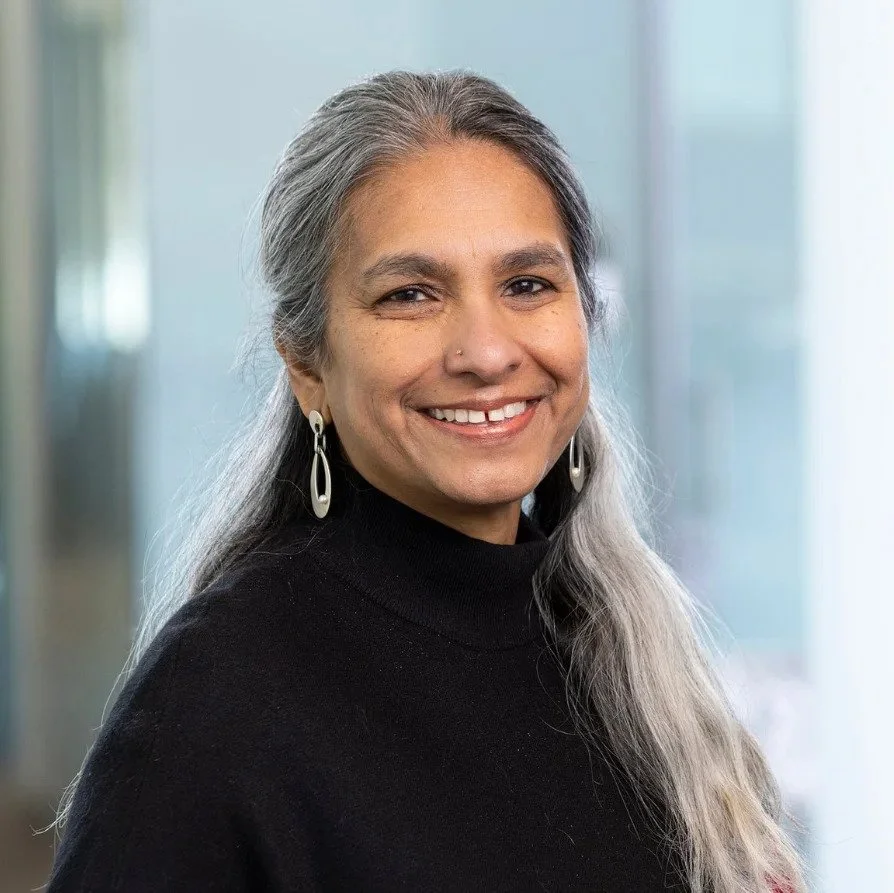
Jayashree Kalpathy-Cramer — United States
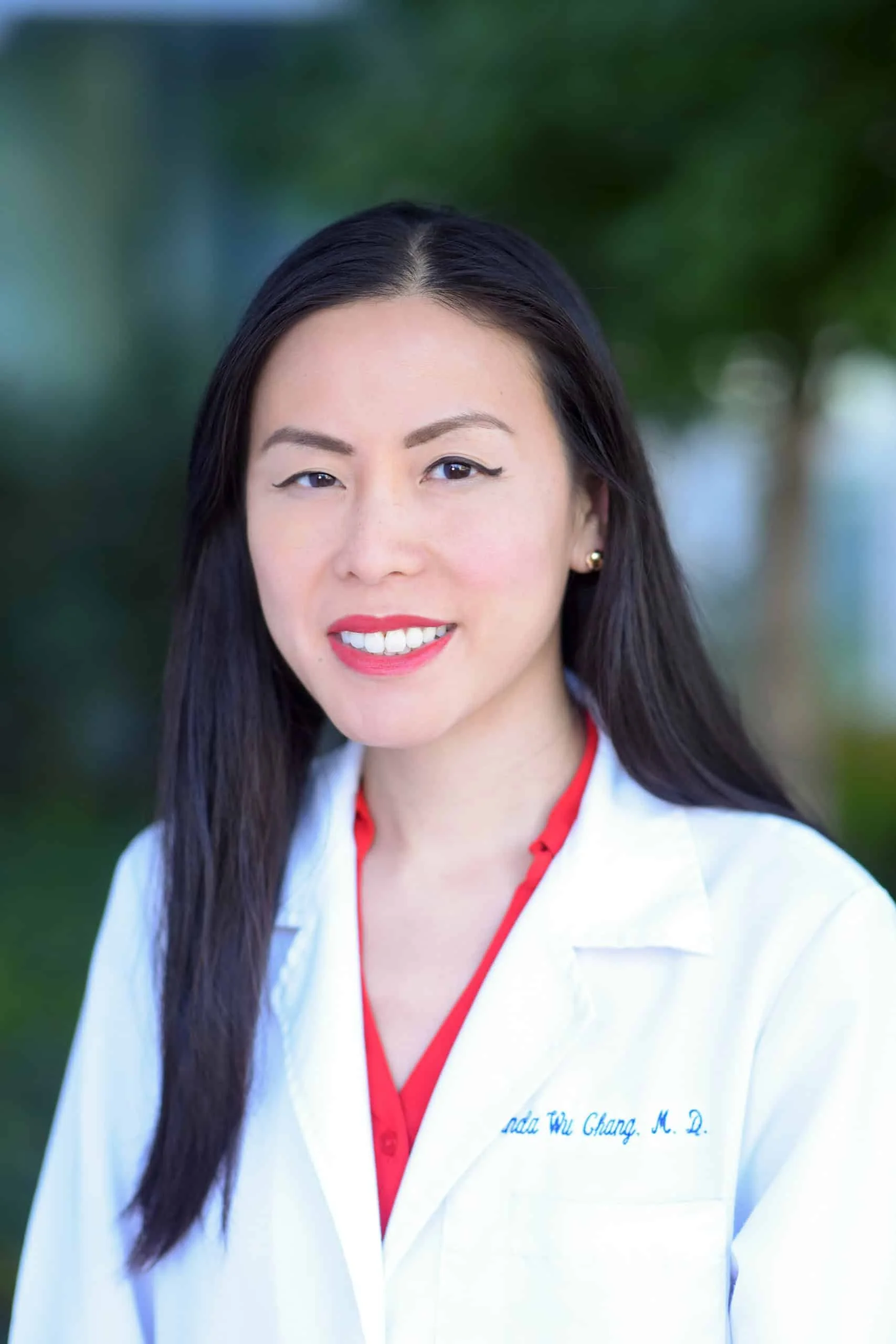
Melinda Chang — United States
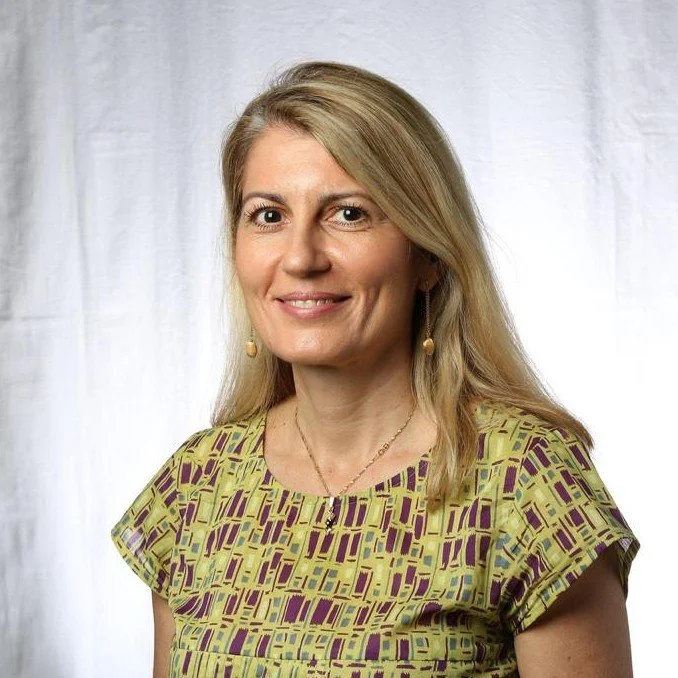
Stela Vujosevic — Italy
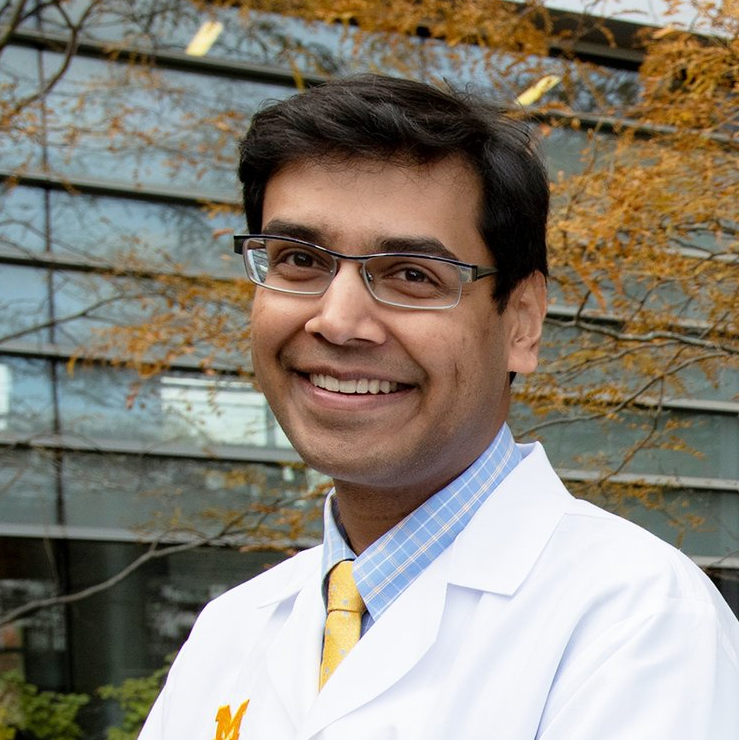
Nambi Nallasamy — United States
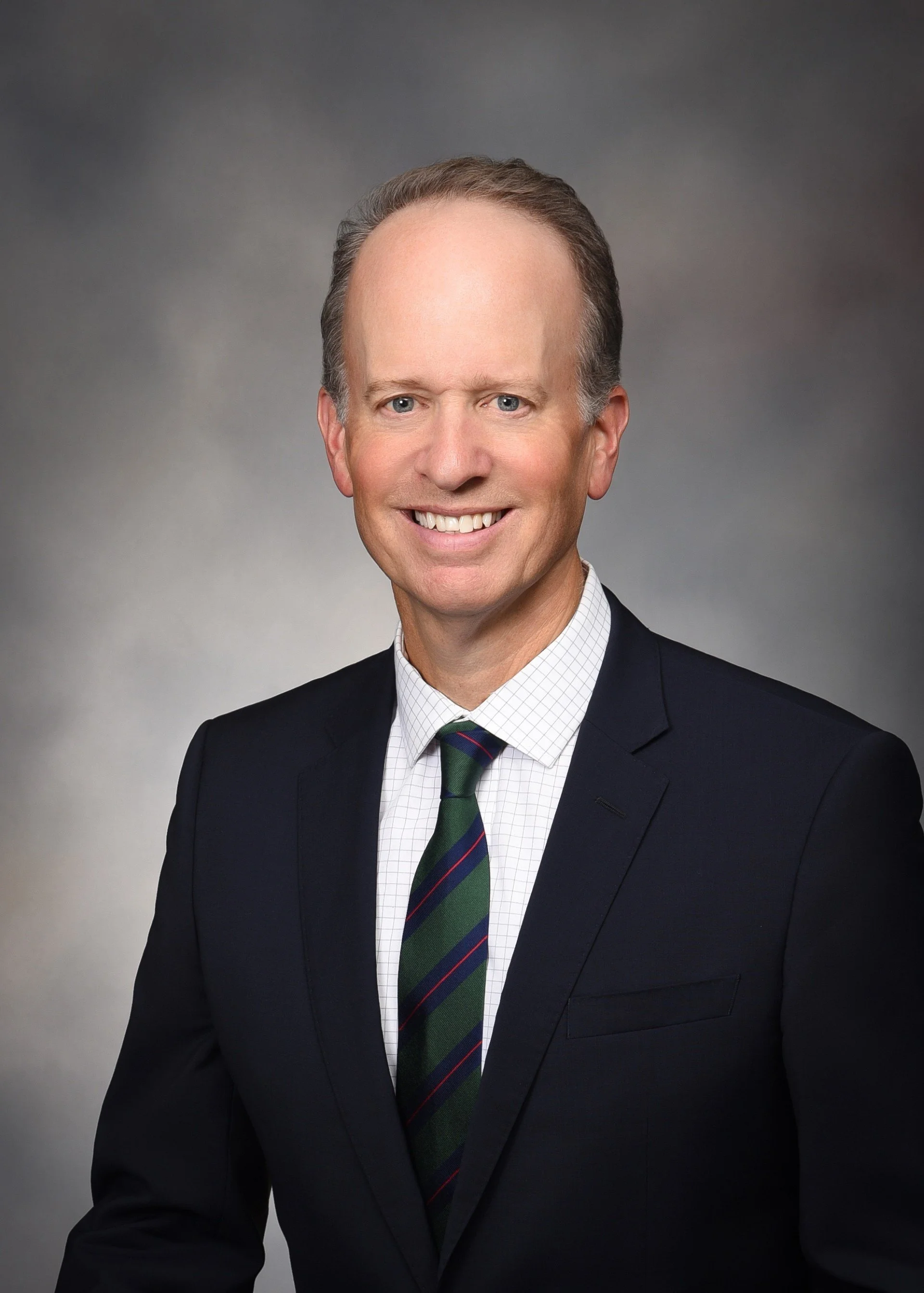
Bradford Tannen — United States
Jia-Horung Hung — United States
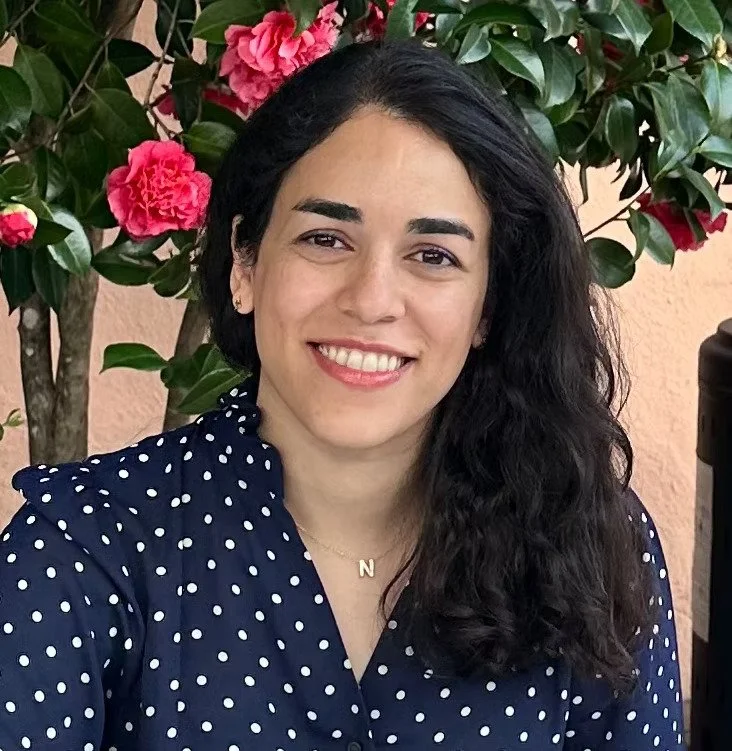
Negin Yavari — Iran
Bradford Tannen — United States
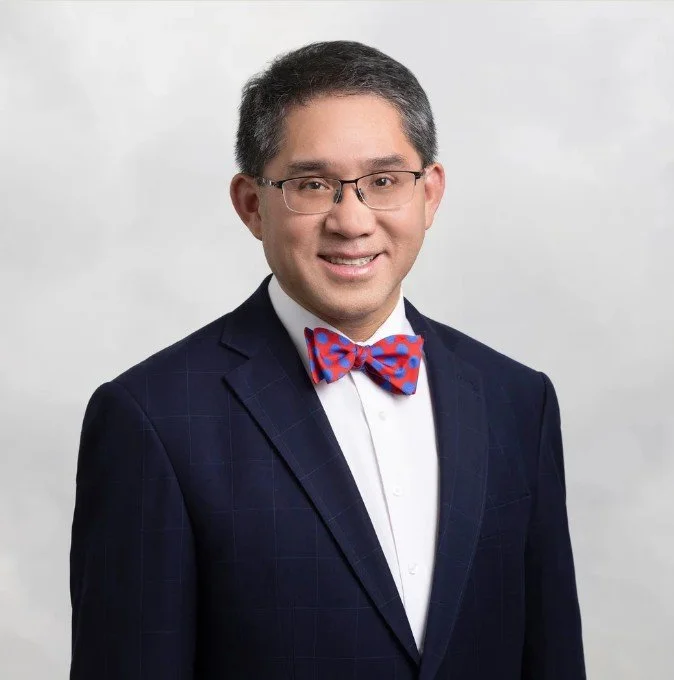
Quan Dong Nguyen — United States
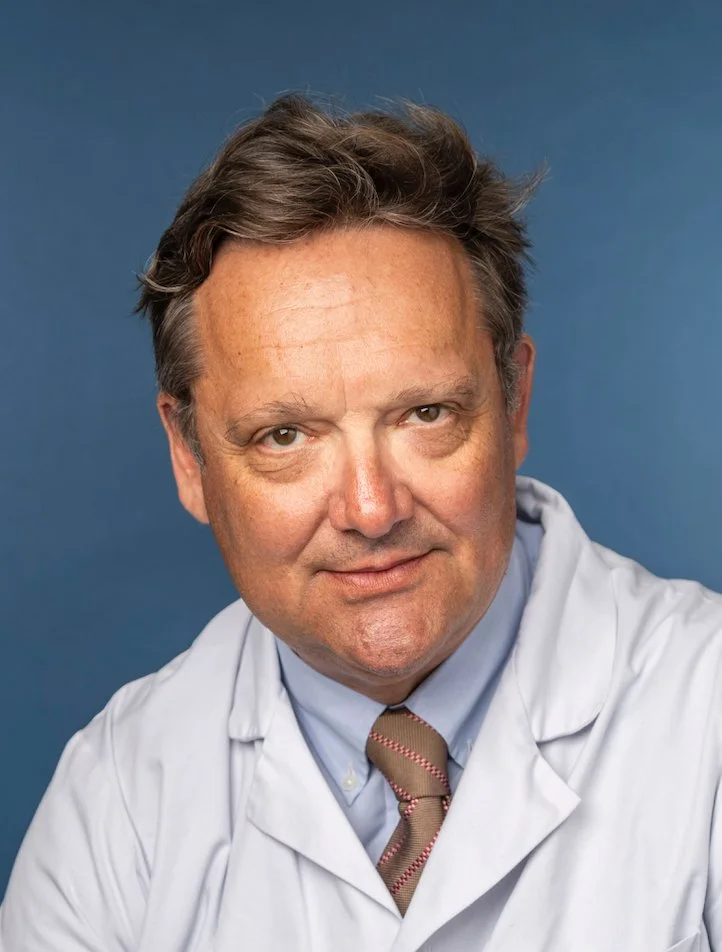
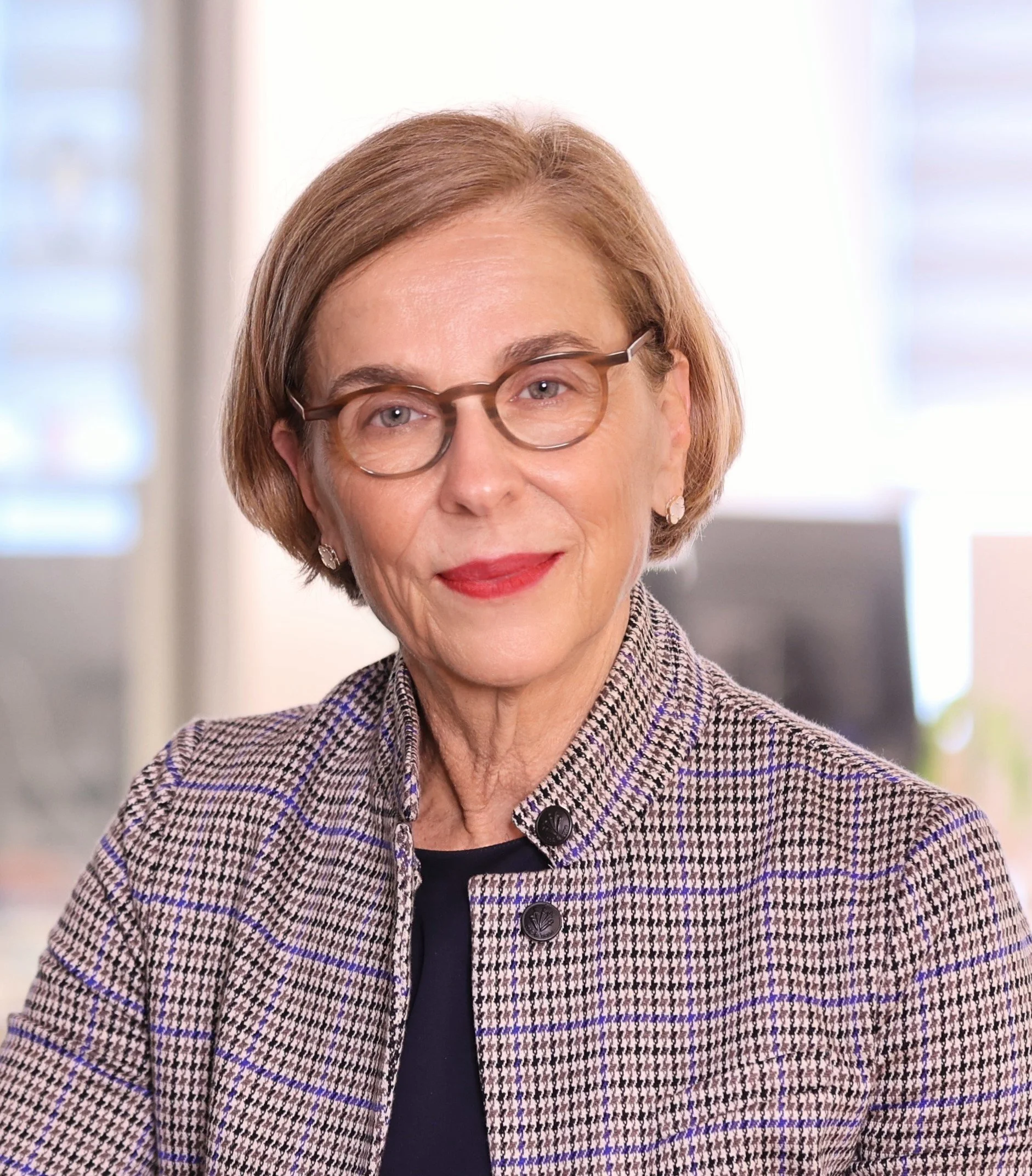
Anat Loewenstein — Israel
Dan Milea — France
Omer Trivizki — Israel
Quan Dong Nguyen — United States
Planning Committee
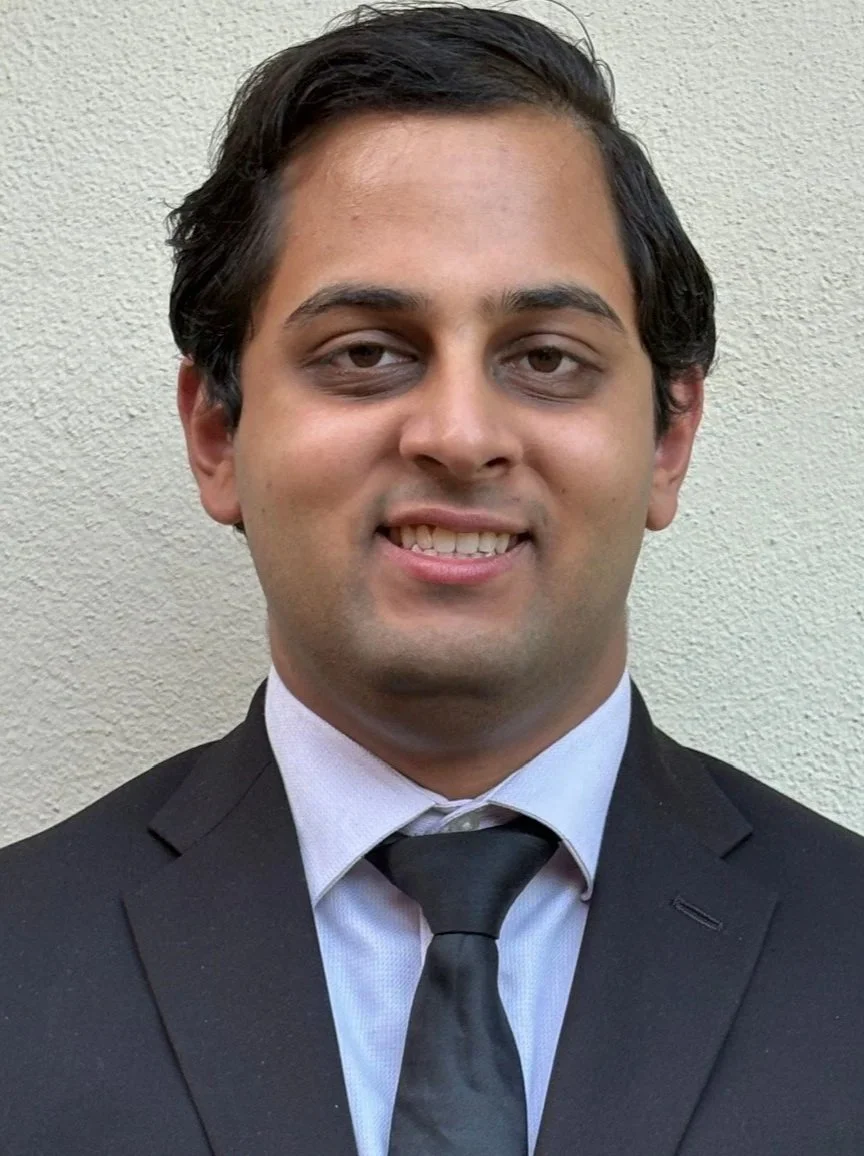
Ishaan Iyer — United States
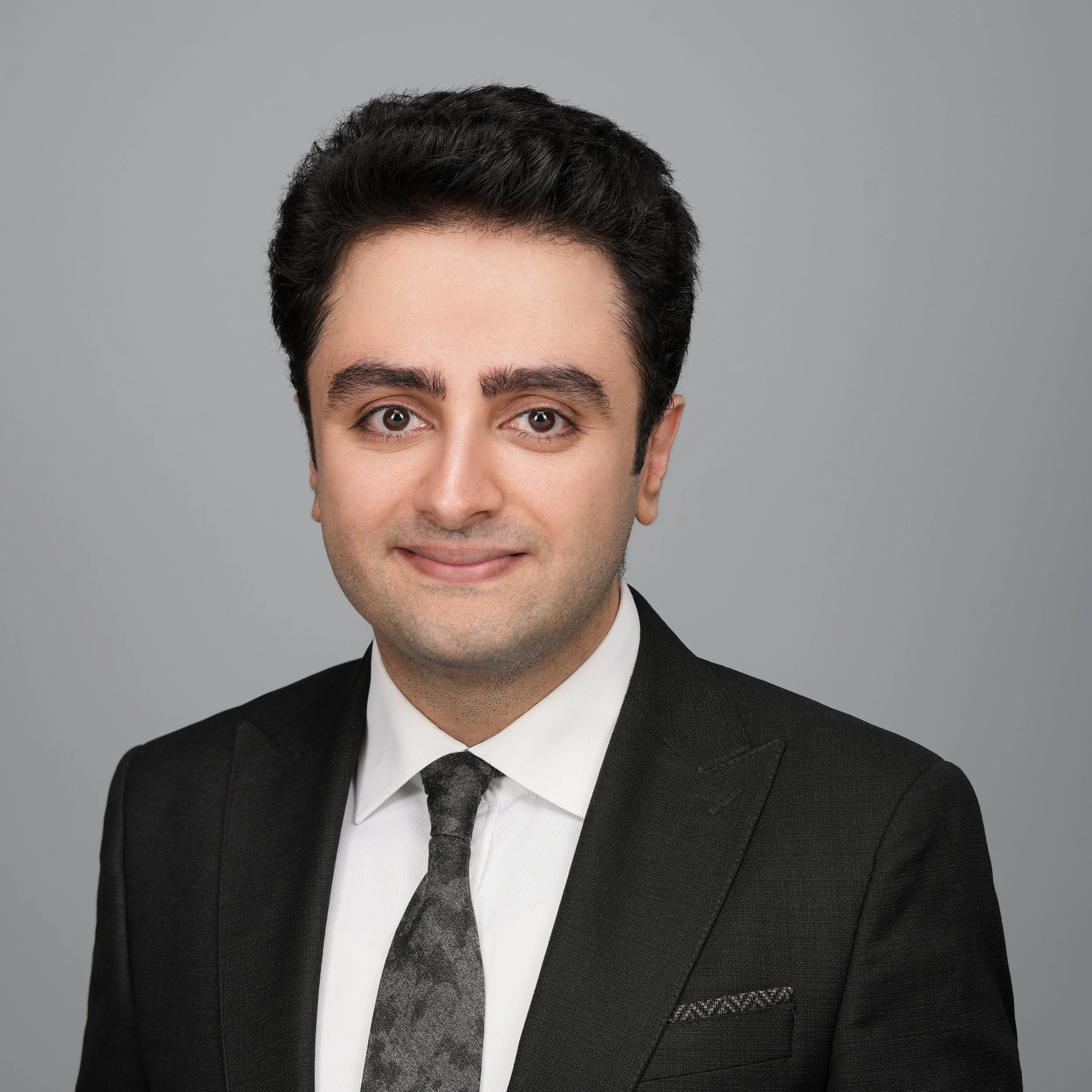
Amir Akhavanrezayat — United States
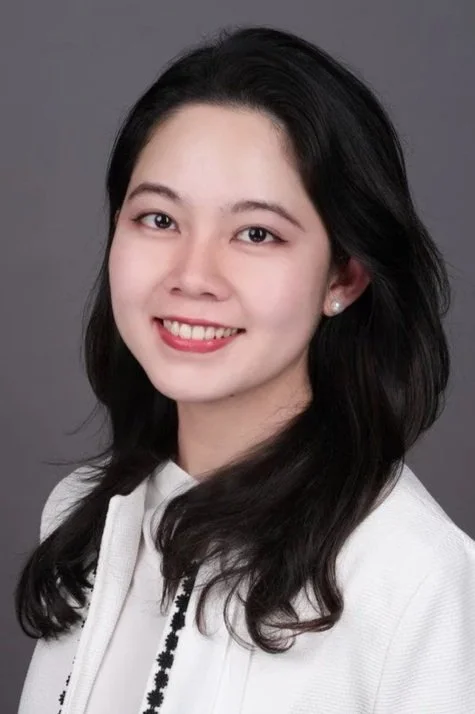
Ngoc Trong Tuong Than — Viet Nam
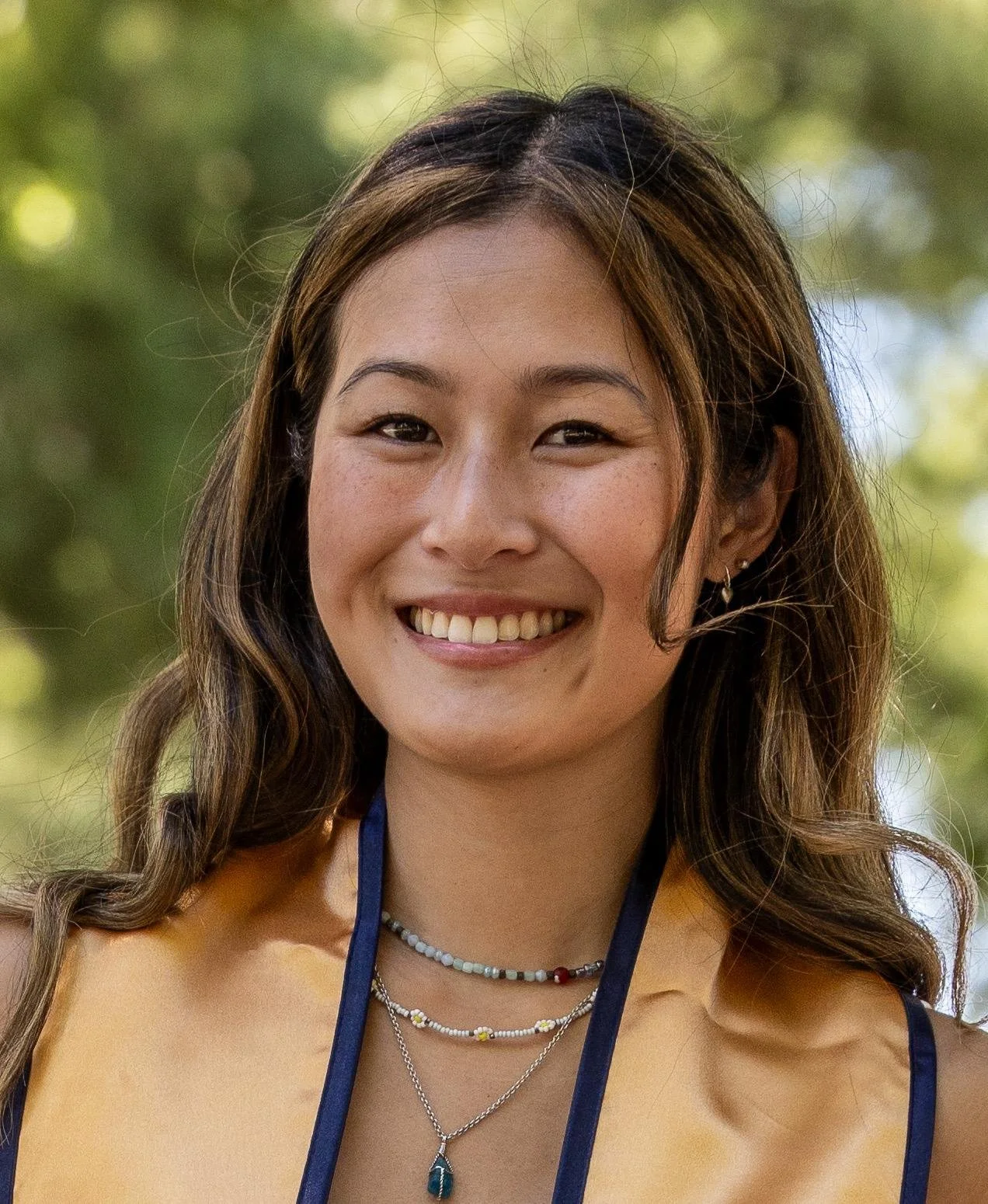
Aubrey Nguyen — United States
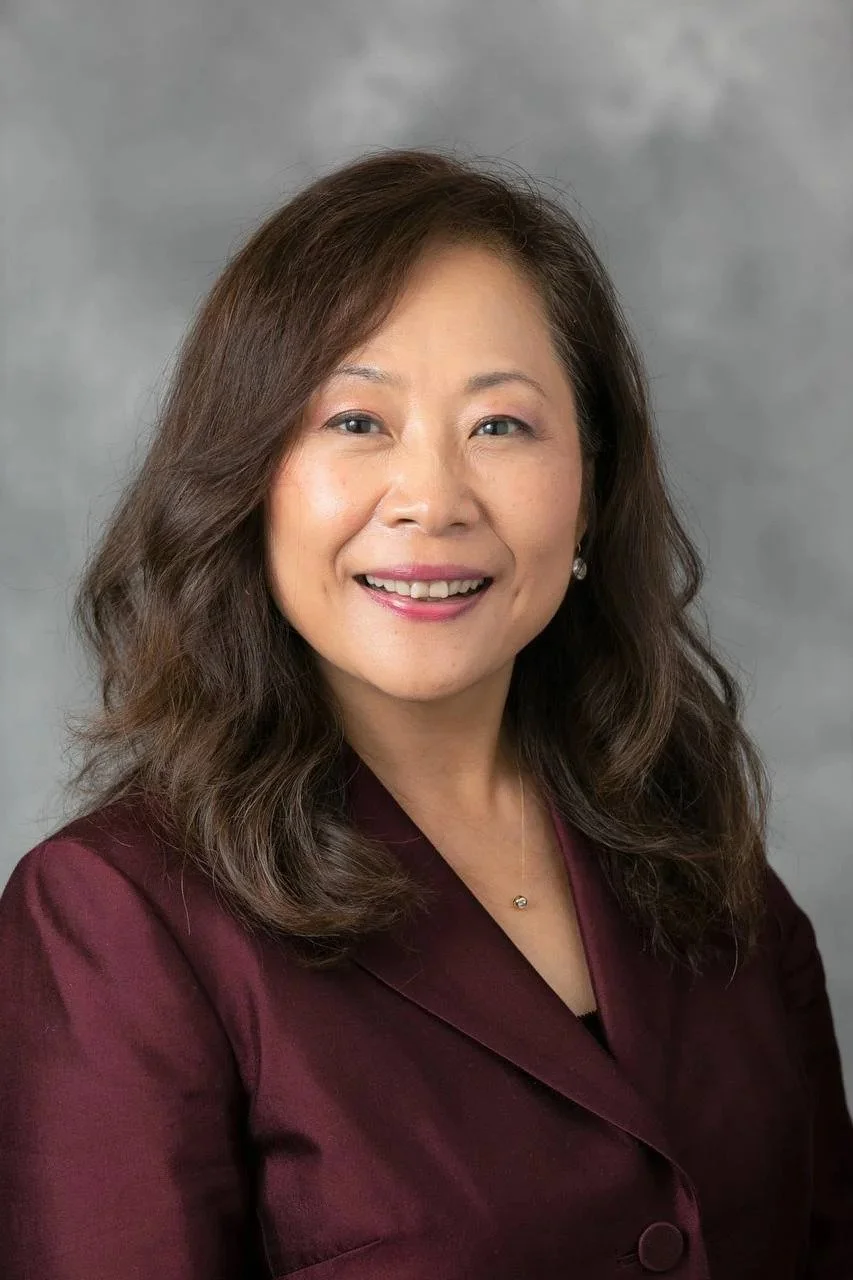

Linda Zangwill — United States
Judy Kim — United States
Nambi Nallasamy — United States
2026 SAIVO Annual Meeting Sponsors
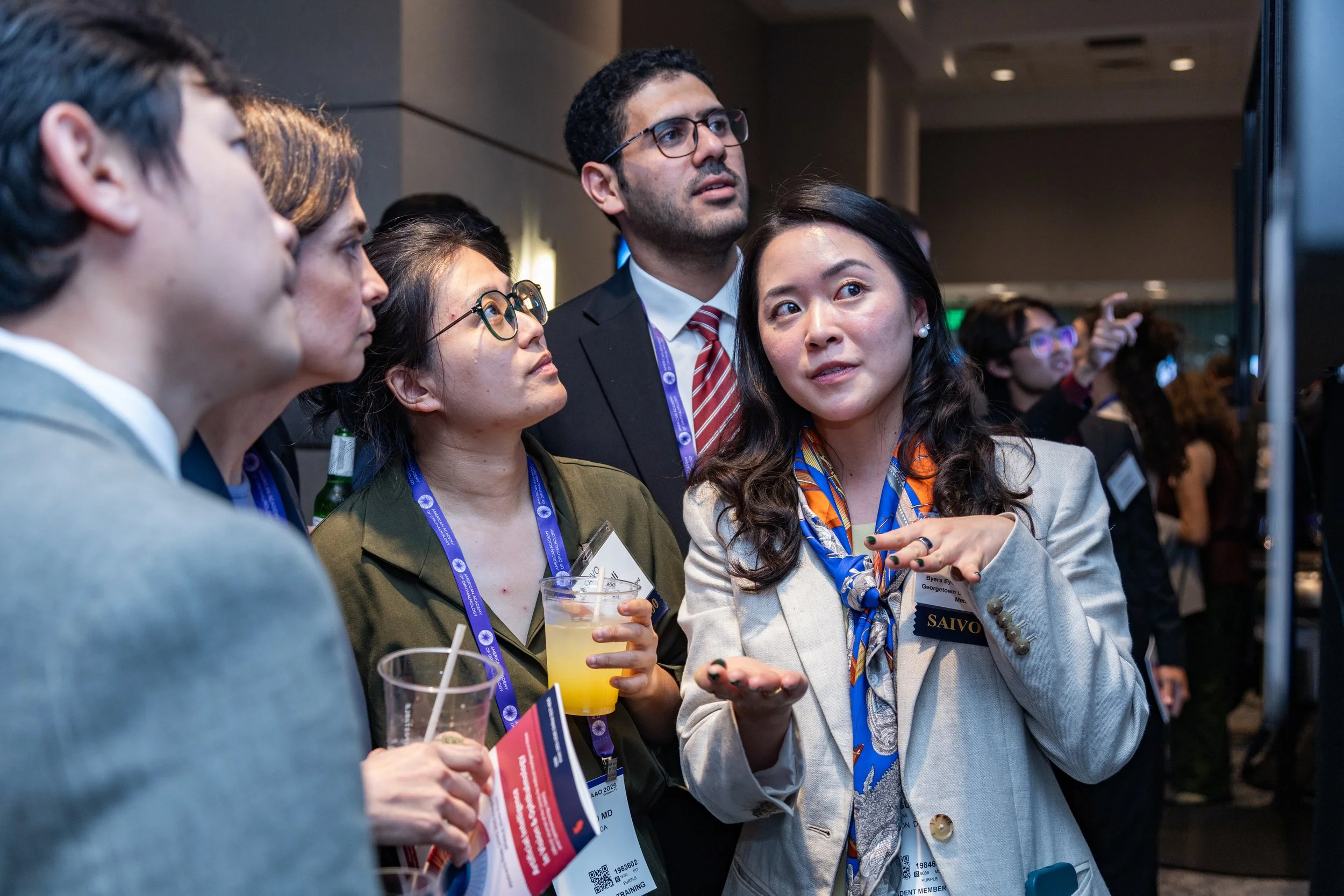
SAIVO 2026 Annual Meeting Denver
The poster upload deadline for accepted abstracts is Tuesday, April 28 at 11:59pm ET.
Poster Instructions and Guidelines
1. Poster Format
Posters will be presented on approximately 50-inch monitors. As a result, presenting authors do not need to print their posters.
Instead of printing, presenting authors will need to upload their digital poster file via the upload link sent in an email communication from SAIVO. If you did not receive an email communication with a poster upload link and your abstract was accepted, please contact info@saivo.org.
Each presenting author must register as a SAIVO member (https://www.saivo.org/membership) to be eligible to present.
2. Creating the Poster
We recommend using PowerPoint, Illustrator, or a similar application
We recommend saving and uploading your final file in PDF format.
If using PowerPoint, open the PowerPoint Preference dialog box and click General. Under Print Quality (Paper/PDF), make sure the desired quality is high. Then, save the PowerPoint as a PDF.
Orientation and Resolution:
Use a landscape orientation with high resolution (1920 x 1080 pixels or higher).
The monitors will have aspect ratio 16:9 like standard television monitors, so please ensure your poster matches the widescreen format.
Simplicity and Clarity
Keep the design clean and uncluttered
Use ample white space to avoid overcrowding and enhance readability
3. Text and Typography
Font Size:
Use large fonts to ensure readability from a distance. Headlines should be 48-60 point, subheadings 24-36 point, and body text 12-24 point.
Font Choice:
Select sans-serif fonts for better legibility on screens (e.g., Arial, Helvetica, Calibri)
Contrast:
Ensure high contrast between text and background to enhance readability. Light text on a dark background or dark text on a light background works well.
4. Images/Plots
Use high-resolution (ideally with scalable vector graphics) to avoid pixelation on the large screen.
5. Quality Control
Please attempt to view your PDF on a large monitor (preferably 50-inch or larger) before submitting to ensure readability.
6. Still need help?
Please contact info@saivo.org for more assistance.
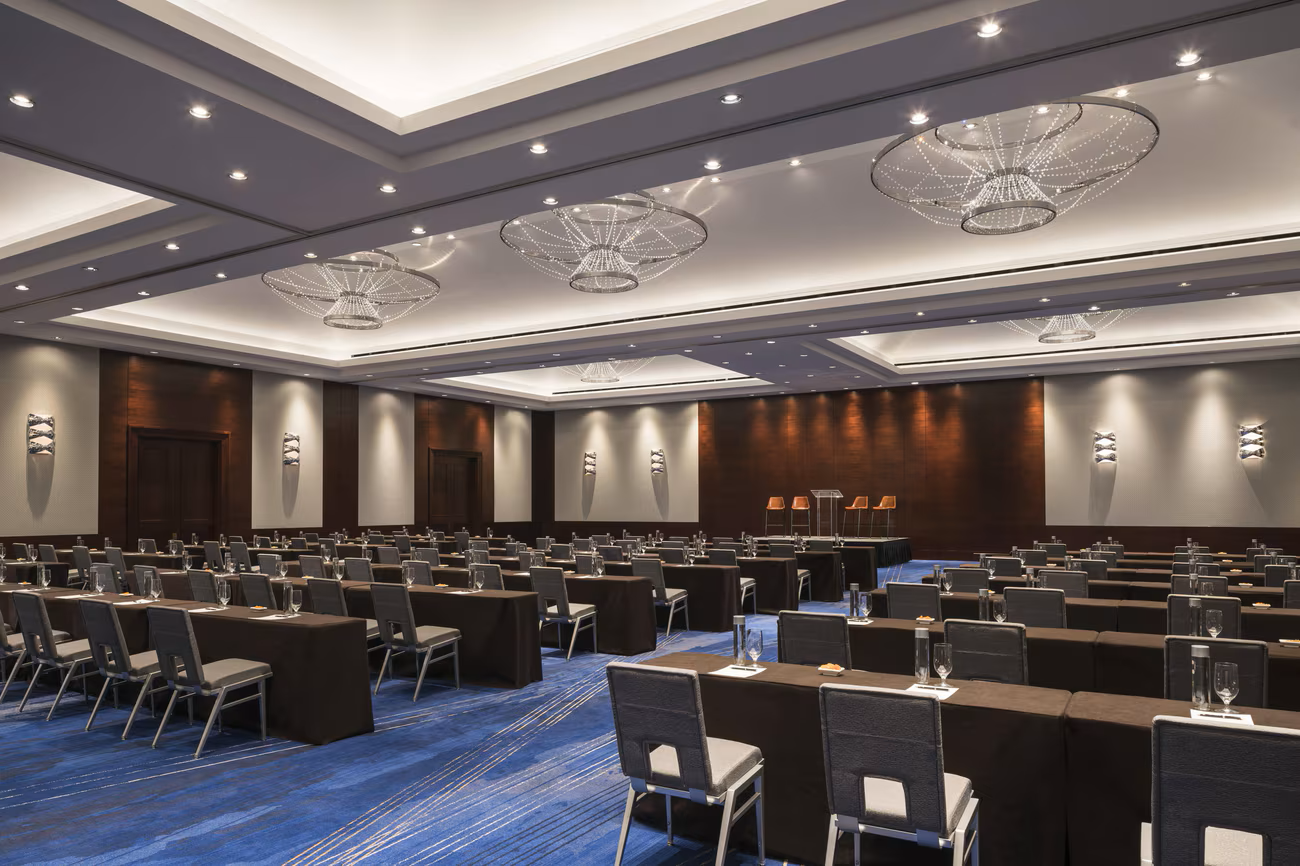
SAIVO 2026 Annual Meeting Venue:
The Ritz-Carlton Denver
1881 Curtis Street
Denver, CO 80202
Phone: +1 (303) 312-3800
Directions from the Colorado Convention Center to The Ritz-Carlton Denver
Directions from Denver International Airport to The Ritz-Carlton Denver
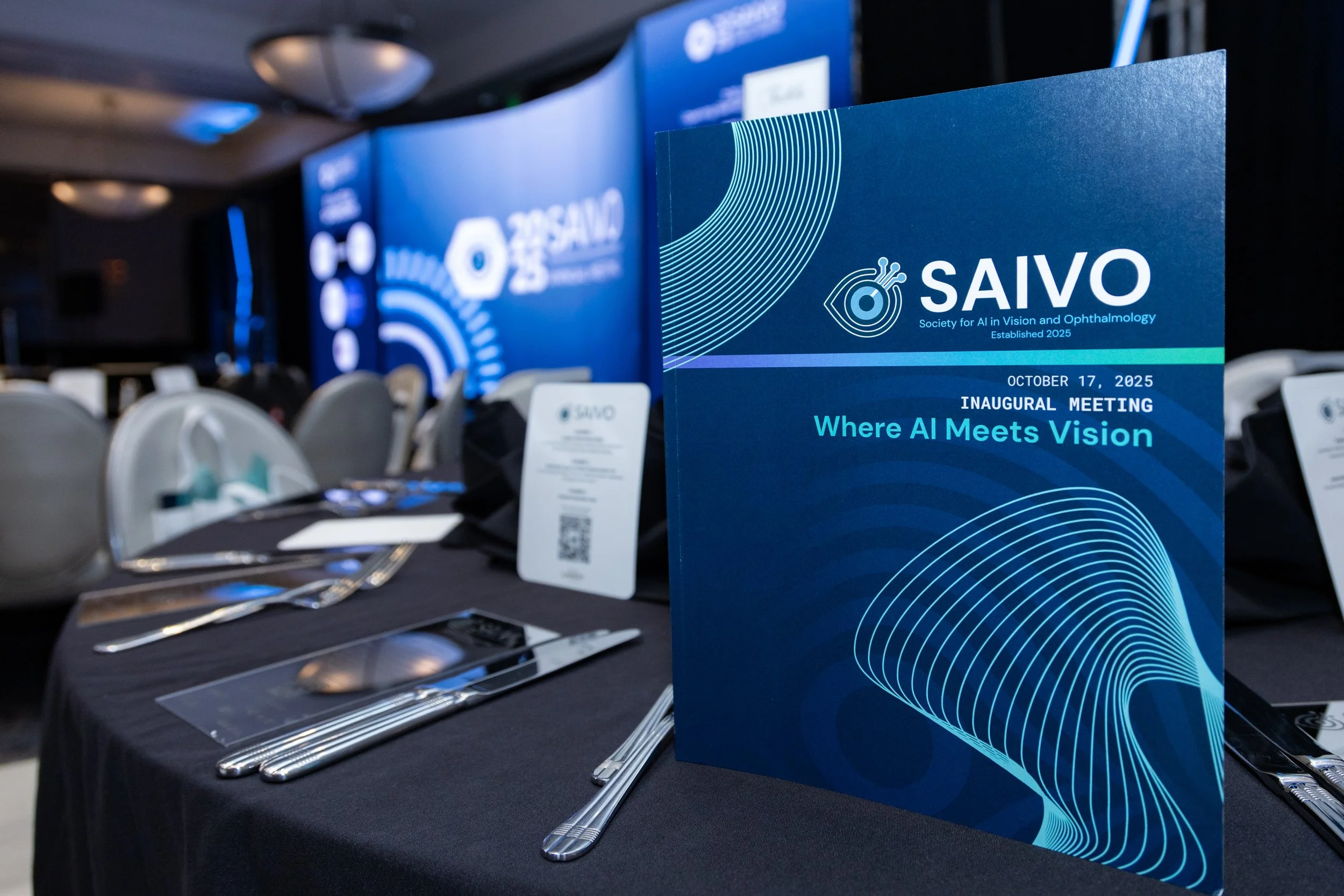
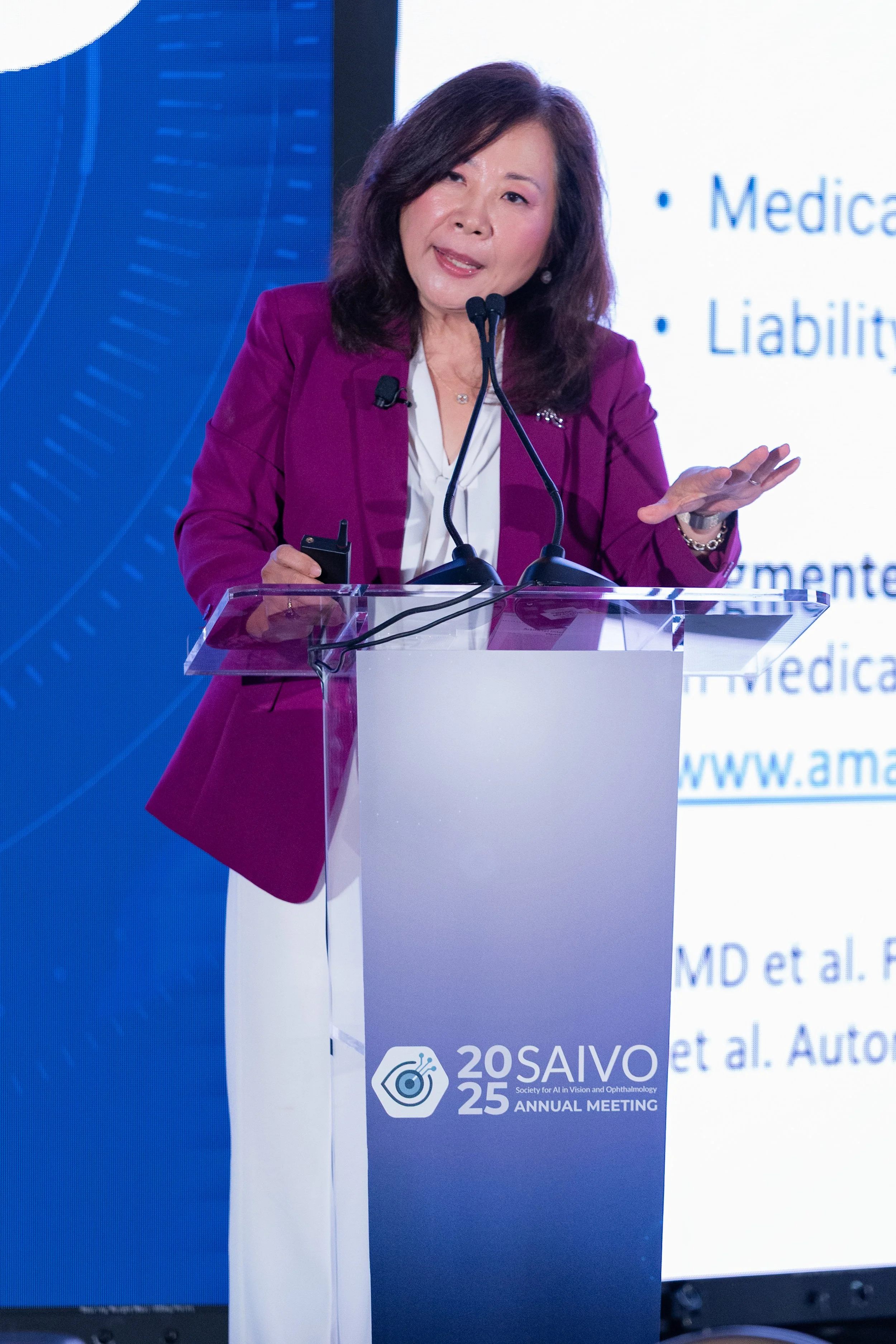
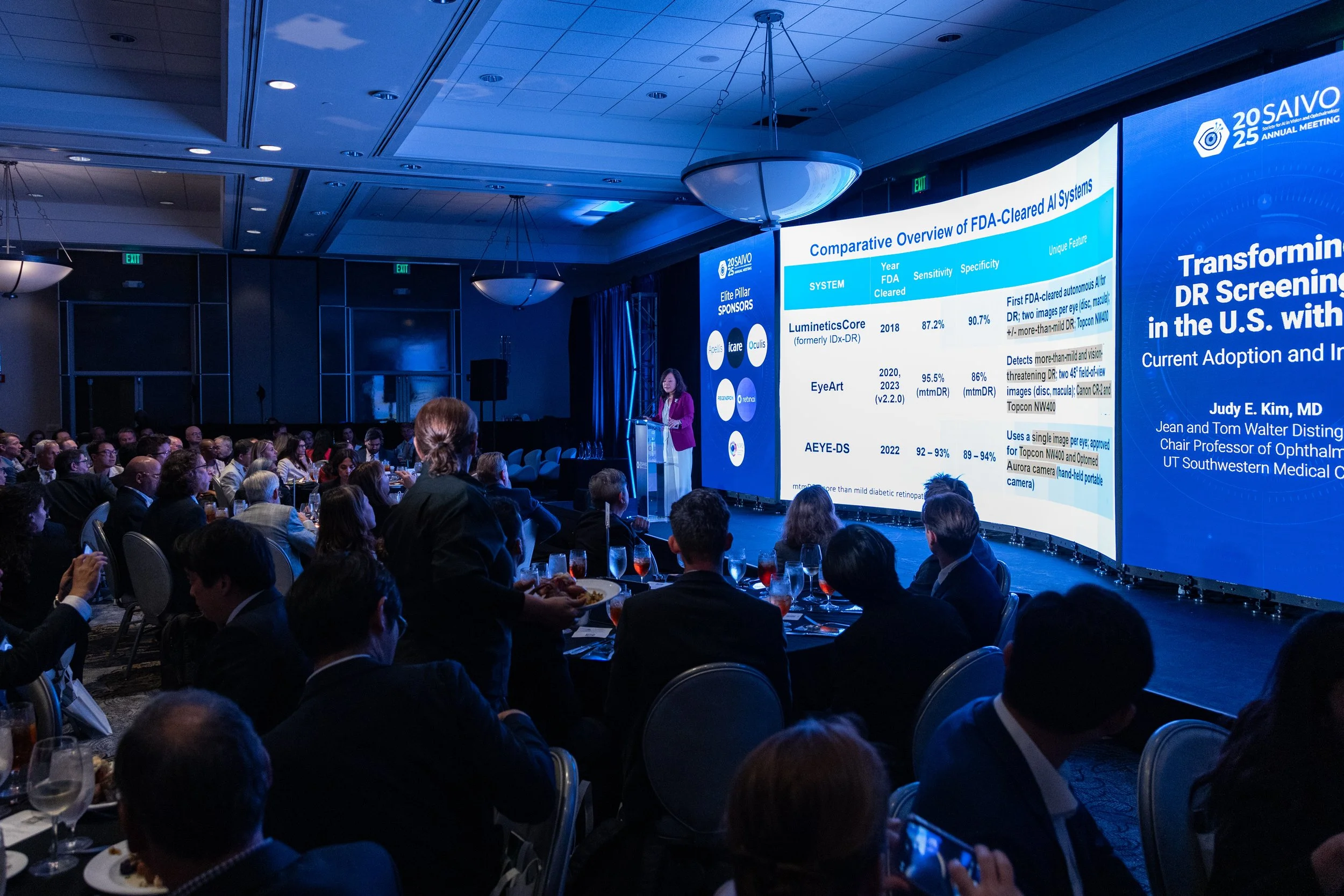
Thank you for a wonderful 2025 SAIVO Annual Meeting!
The 2025 SAIVO Annual Meeting featured:
A cocktail / networking reception
A poster session for selected abstracts
A seated dinner
Exciting keynote speakers, including VP of Google Research, Katherine Chou
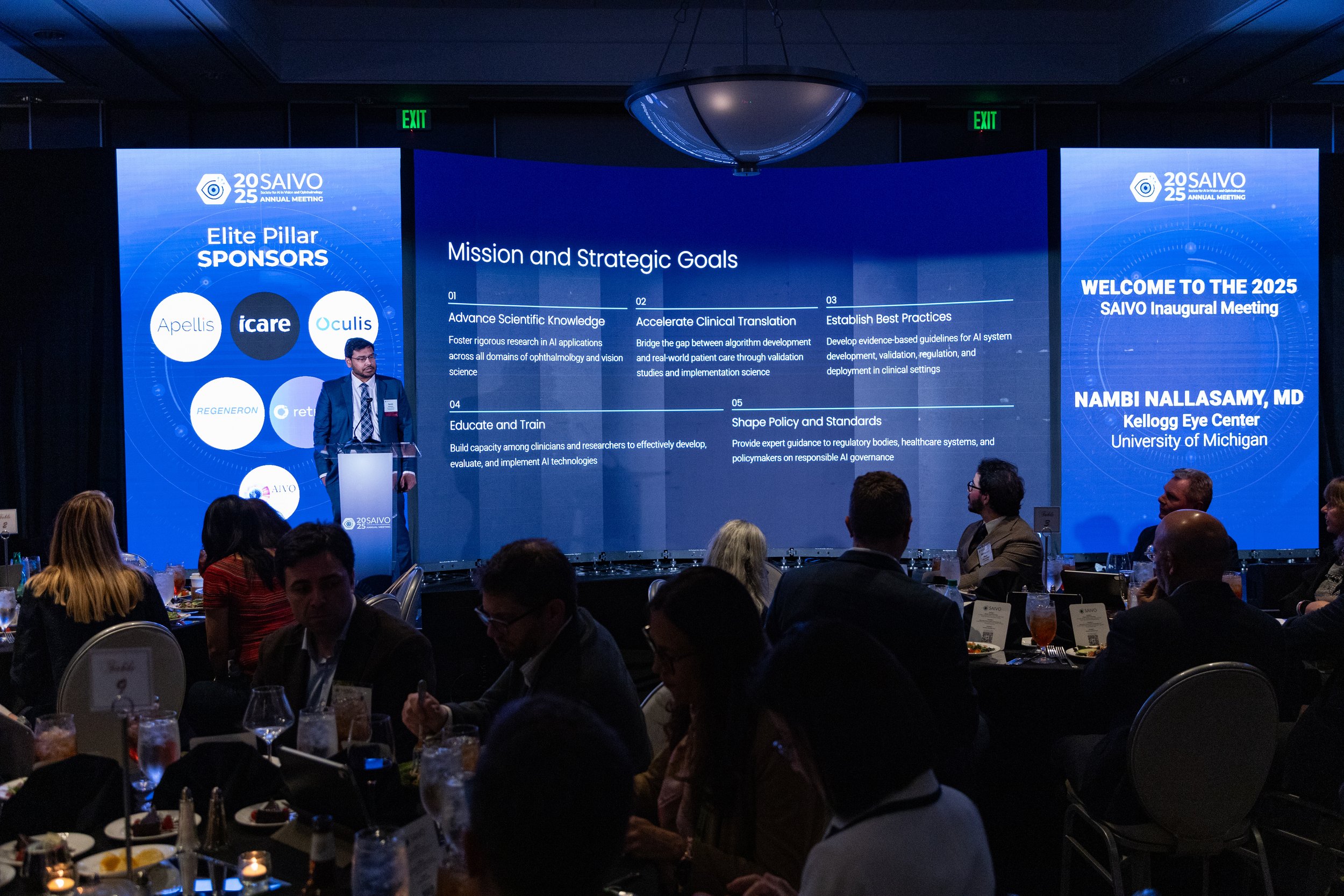
An overview of the direction, values, and mission of SAIVO
An introduction to AIVO, the Official Journal of SAIVO
SAIVO 2025 Inaugural Meeting Keynote Speakers


Dr. Marion Munk | University Hospital Bern
Prof. Marion R. Munk is a trained MD, PhD, Uveitis and Medical Retina specialist. She is Chief Scientific Officer and Head of Research at Augenarzt-Praxisgemeinschaft Gutblick AG, Professor at Inselspital, Univ Hospital Bern and adjunct professor at the Northwestern University, Chicago, USA, Director of Eyegnos Consulting and Chief Medical Officer at Isarna Therapeutics. Marion is author of > 270 scientific articles.
Her major research interests cover image processing, image analyses, artificial intelligence, retinal vascular -and macular diseases and uveitis. She is Research chair at the International retinal Imaging Society (InTRIS), member of the Editorial Board of IOVS, Acta Ophthalmologica, Ocular Inflammation and Infection, Ophthalmologica, BMC Ophthalmology and EyeNet and is providing peer-review for a long list of scientific journals within Ophthalmology.
Dr. Judy E. Kim | UT Southwestern
Dr. Judy E. Kim is Professor of Ophthalmology at UT Southwestern Medical Center, where she holds the Jean and Tom Walter Distinguished Chair in Ophthalmology. A graduate of the University of Chicago and Johns Hopkins School of Medicine, she trained at the Bascom Palmer Eye Institute and completed a fellowship in vitreoretinal surgery and diseases at the Medical College of Wisconsin, where she later served as a tenured professor and Director of Teleophthalmology and Research.
She specializes in diabetic retinopathy, age-related macular degeneration, vitreoretinal surgery, ocular imaging, and telemedicine, and has published over 200 papers, delivered more than 400 presentations worldwide, and led over 70 multicenter clinical trials. Dr. Kim is President-Elect of the Macula Society, Past President of the American Society of Retina Specialists, and serves on the boards of multiple international ophthalmic organizations and journals. Her numerous honors include the AAO Lifetime Achievement Award, ASRS Senior Achievement Award, and recognition on The Ophthalmologist’s Power List of the 100 most influential ophthalmologists globally.
Dr. Stela Vujosevic | University of Milan
Dr. Stela Vujosevic is a Retina specialist, head of the Ophthalmology Unit-Medical Retina at San Giuseppe Hospital, MultiMedica Group, and an Associate Professor of Ophthalmology at the University of Milan, already qualified as a Full Professor in 2020. She has an extensive global research network and collaborations and has been dedicated to increasing and disseminating knowledge worldwide on imaging biomarkers, structure-function correlations, and AI applications in retinal diseases/trials.
She has been participating in numerous research projects, both Italian and international, as Principal Investigator. Silver fellow of the ARVO and the EBO; elected member of the Diabetic Retinopathy Expert Committee of the EVICRnet, Macula Society, Co-chair of the Imaging Subspecialty Section of the EURETINA, Vice-president of the EAsDEC, scientific committee member of the SISO. Major awards include: "The Power List 2022”, the Top 100 most influential ophthalmologists in the world by the Ophthalmologist; TOP LIST of excellent Women in European Vision Research and Ophthalmology 2021 by the European Vision Institute; and Women's Leadership Development in ARVO Program. Professor Vujosevic serves as the Associate Editor of the AJO Case Reports and the EBM of the IOVS, JAMA Ophthalmology, RETINA, and Acta Ophthalmologica.
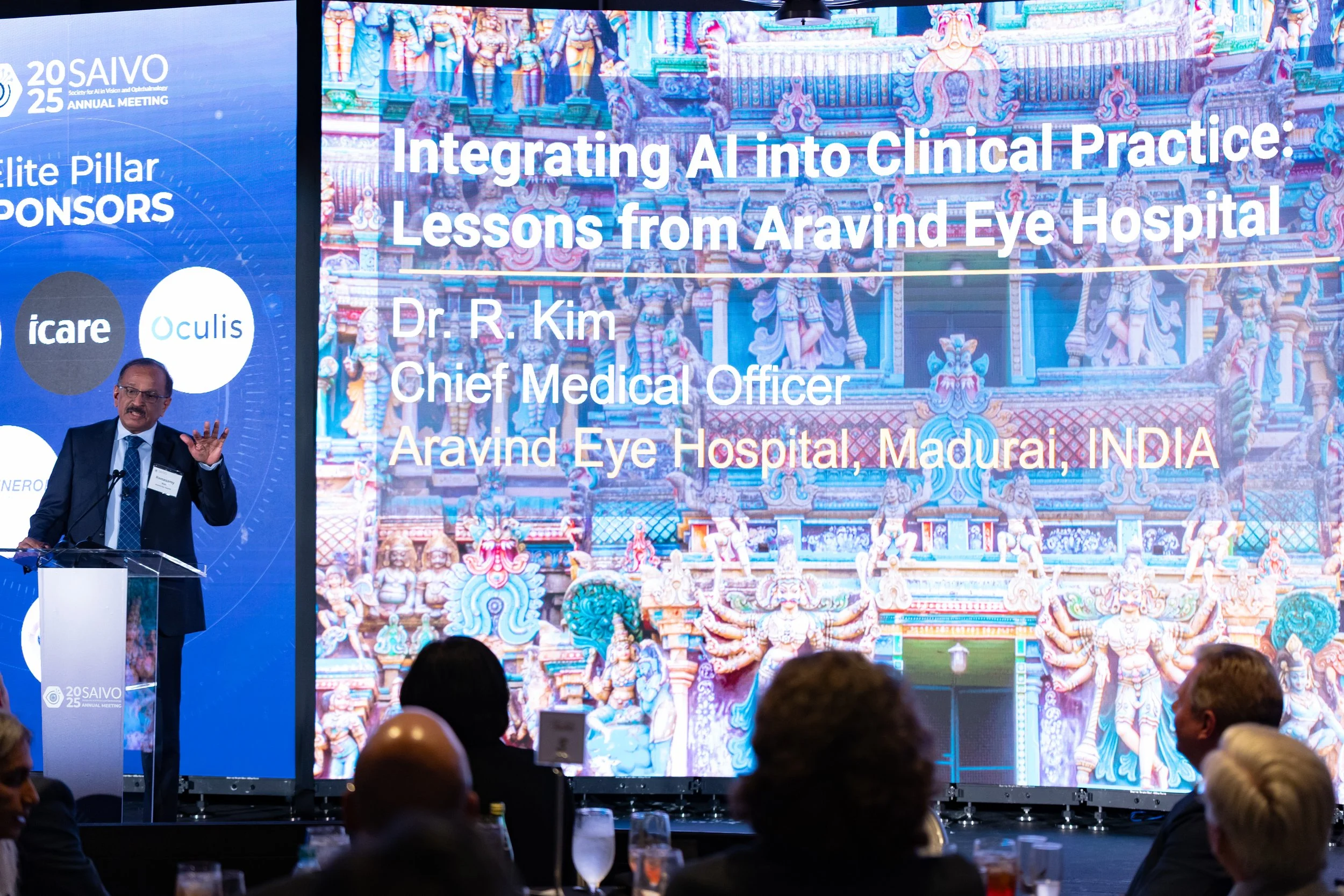
Dr. Ramasamy Kim | Aravind Eye Hospital
Dr. Ramasamy Kim serves as the Chief Medical Officer and Senior Consultant of Vitreo-Retinal Services at Aravind Eye Hospital & Postgraduate Institute of Ophthalmology, Madurai. He has undergone fellowship training in the vitreo-retinal specialty both in India and the USA. He has a keen interest in surgical retina and also has a special interest in telemedicine. He is one of the early pioneers to introduce Tele-ophthalmology in India. Aravind Tele-ophthalmology network, through its vision centers, sees more than 3000 patients every day.
He is also the director of the Information Technology and Systems Division of Aravind Eye Care System. He has authored book chapters on vasculitis and tele-ophthalmology. He has more than 200 publications to his credit, both in national and international journals. He has received many awards in international and national forums. His current interest is in utilizing AI to enhance patient workflows and treatment outcomes. Working with Google, he has deployed an AI-based screening tool for real-time use for DR screening in India. His work has been nominated as one of the best to happen in the next 25 years, as featured in WIRED magazine. He is currently the President of the Vitreo-Retinal Society of India (VRSI) and also the Past President of the Telemedicine Society of India (TSI). Recently, he has been listed among Stanford's Top 2% of researchers worldwide.
Katherine Chou | Google
Katherine Chou is the vice president (VP) of Product for Google Research. She nurtures scientific and technical breakthroughs that can lead to global-scale and societal impact. She is a serial intrapreneur and has a history of founding and developing groundbreaking products at Google for the last 20 years including: co-founding Google[x] Labs for Life Sciences (now Verily), Medical Brain (which she continues to run as “Health AI” at Google), Google Mobile Search, Google Wallet (now Google Pay), GMSCore, Android IDE, and Adsense for Mobile Apps.
She also headed up global teams to develop partner solutions and establish developer ecosystems for Mobile Payments, Mobile Search, GeoCommerce, YouTube, and Android. Outside of Google, she serves as a Board member and Program Chair of Lewa Wildlife Conservancy, a Scientific Advisor to the ARCS Foundation, and a fellow of the Zoological Society of London. She collaborates with other wildlife NGOs and the Cambridge Business Sustainability Programme to apply the innovation mindset to new areas. She holds a double major in Computer Science and Economics at Stanford University, and a master's degree in Computer Science, with a specialization in graphics.
2025 SAIVO Annual Meeting Sponsors

The SAIVO 2026 Annual Meeting Call for Abstracts has now closed.
Submission Instructions
1. Eligibility
Abstracts may be submitted by researchers, clinicians, trainees, and students engaged in work related to artificial intelligence, ophthalmology, and vision science. Each presenting author must register as a SAIVO member (https://www.saivo.org/membership) to be eligible to present.
2. Abstract Format
Title: Clearly state the title of the abstract (max 250 characters).
Authors: List all authors with full names, degrees, affiliations, and designate the presenting author.
Body: Limited to 350 words. Do not include images, figures, or tables.
Structure: Abstracts should follow a standard scientific format:
Purpose / Background
Methods
Results
Conclusion
3. Submission Process
Abstracts may be submitted for Poster Presentation or Oral Presentation (Podium Talk). Please specify your preference when submitting. A confirmation email will be sent upon successful submission.
Submissions must be received by February 8, 2026 to be considered.
4. Review and Selection
All abstracts will undergo peer review by the SAIVO Scientific Programs Committee. Abstracts will be evaluated based on relevance, innovation, scientific merit, and clarity.
Notification of acceptance will be sent via email by February 20, 2026.
5. Presentation Requirements
Accepted abstracts must be presented in person on May 1, 2026 in Denver, Colorado.
Detailed poster dimensions, setup instructions, and session logistics will be provided upon acceptance.
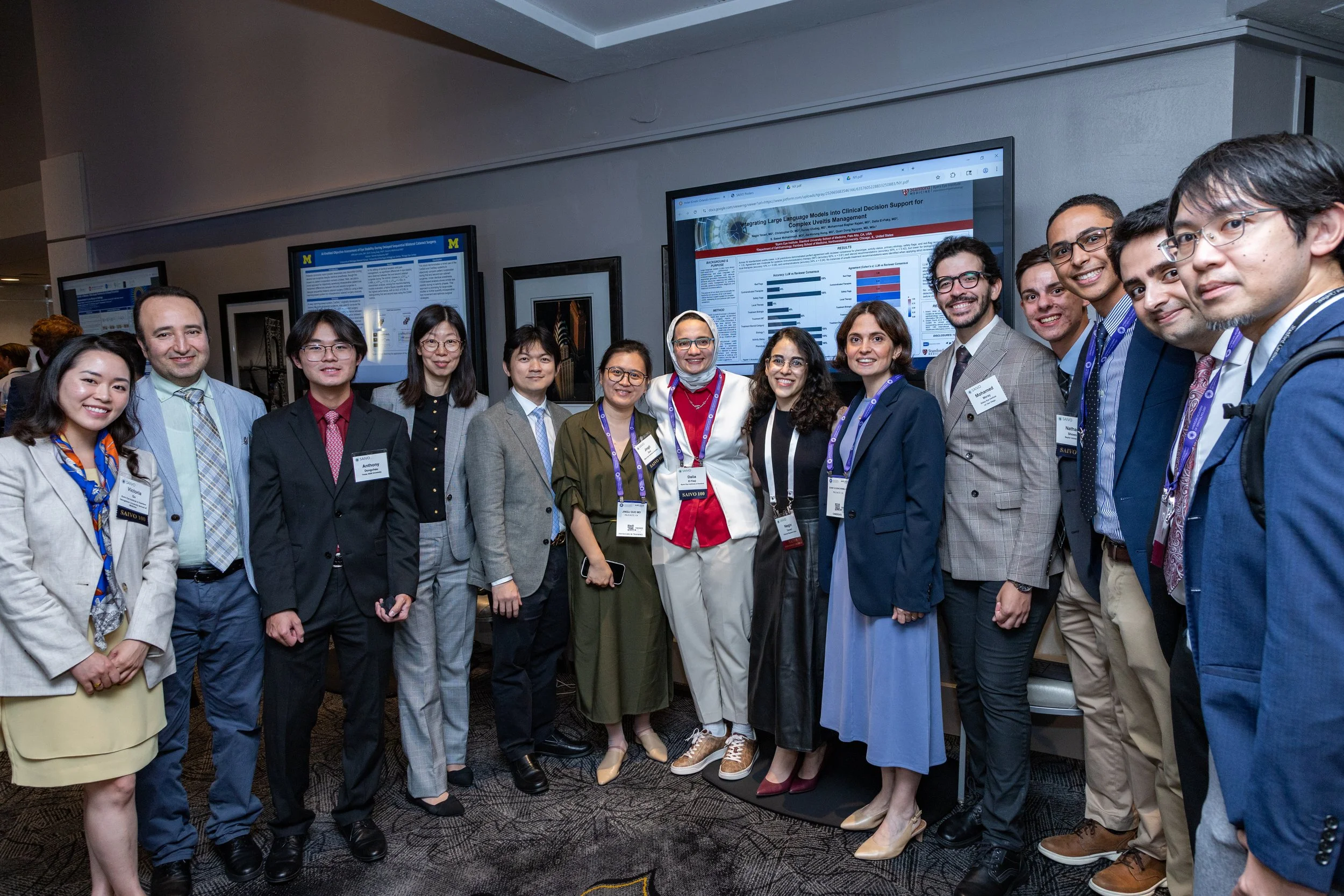
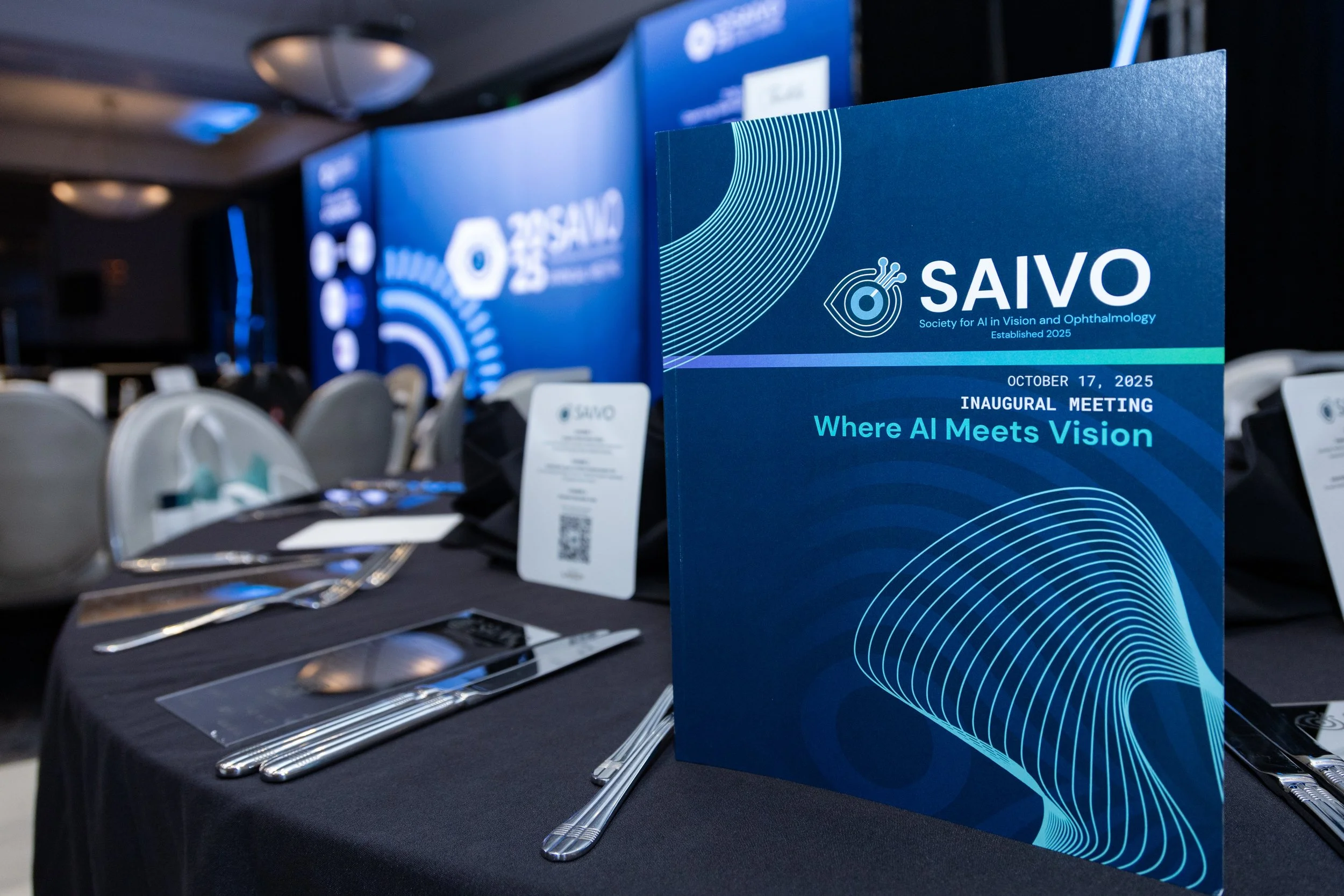
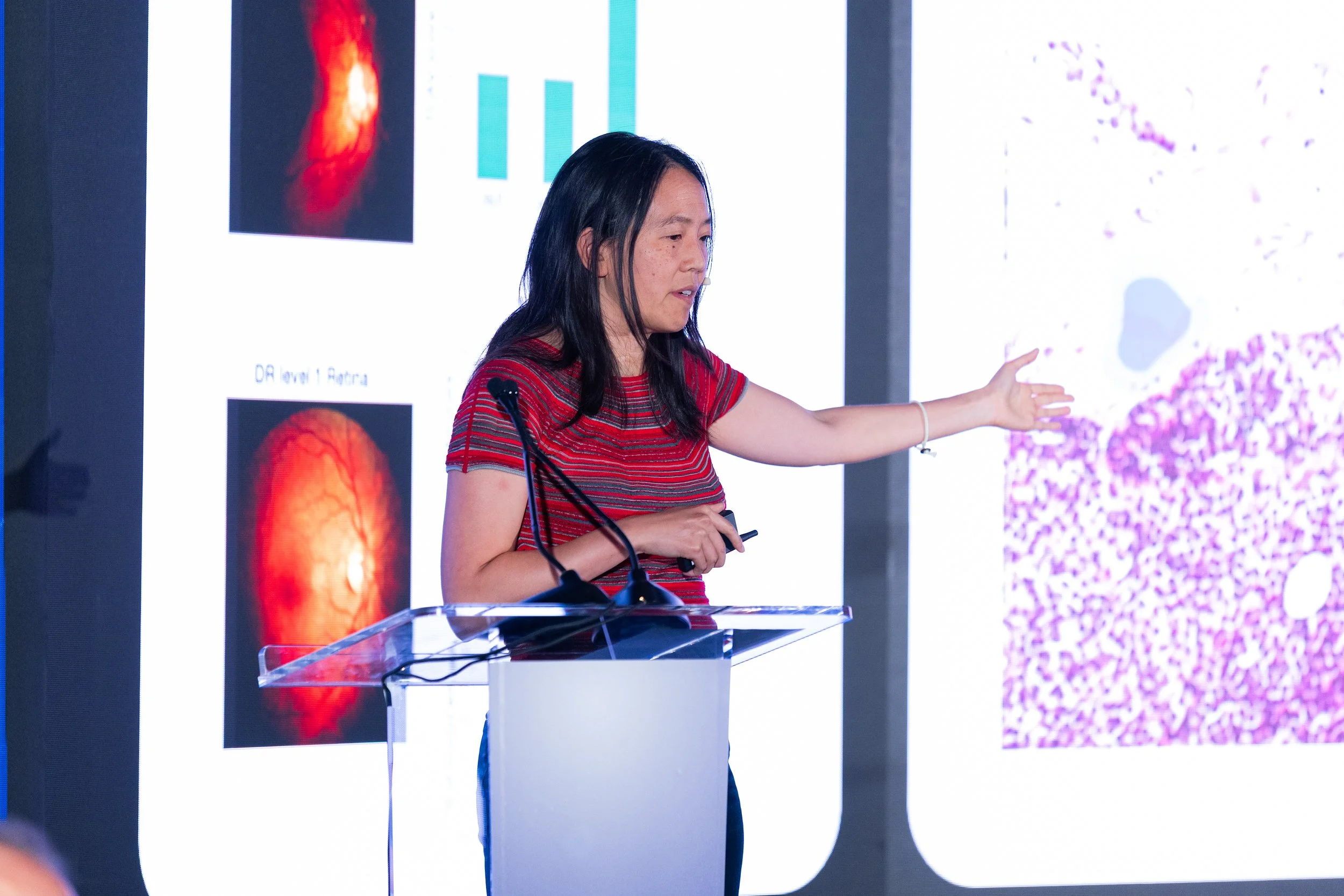
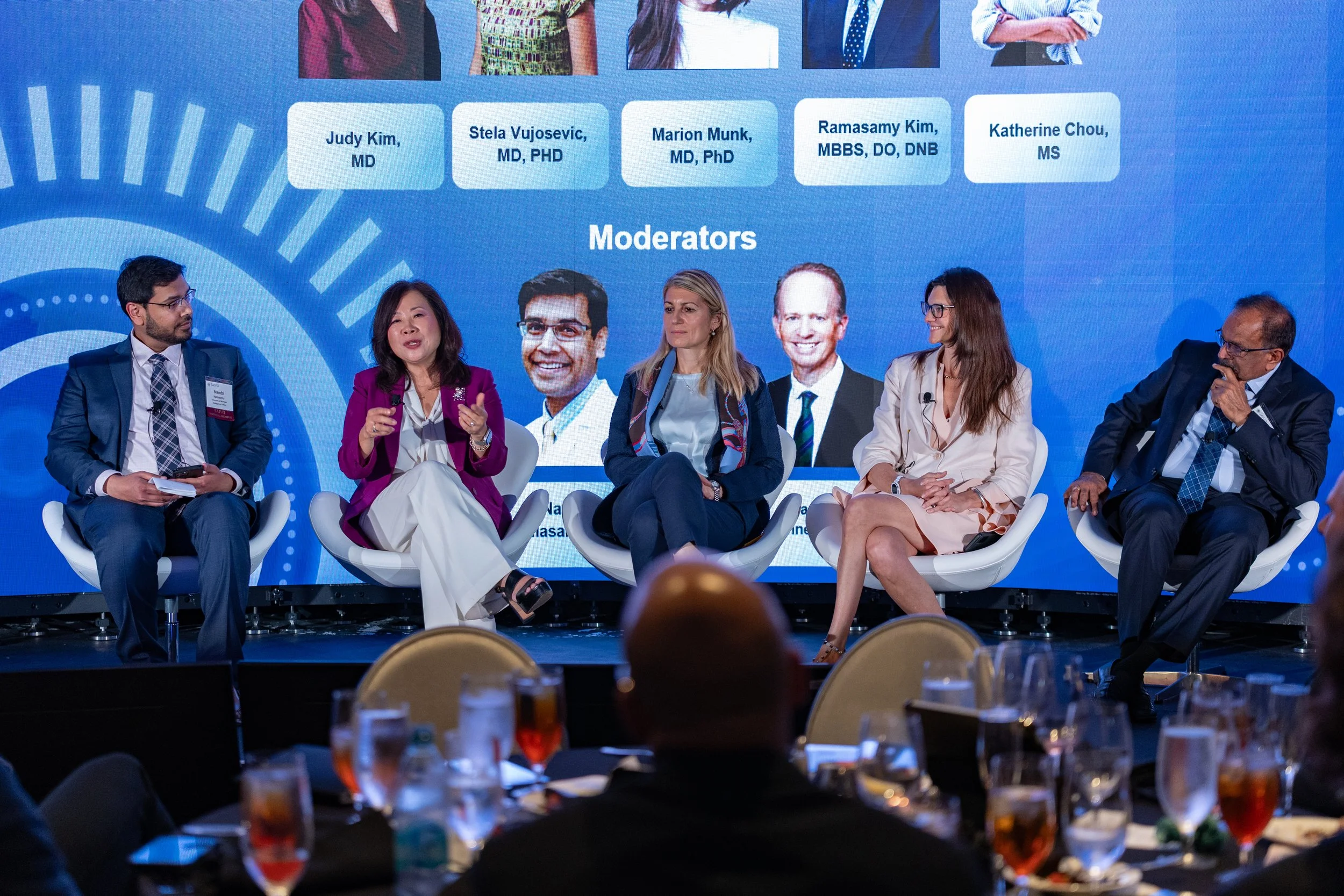
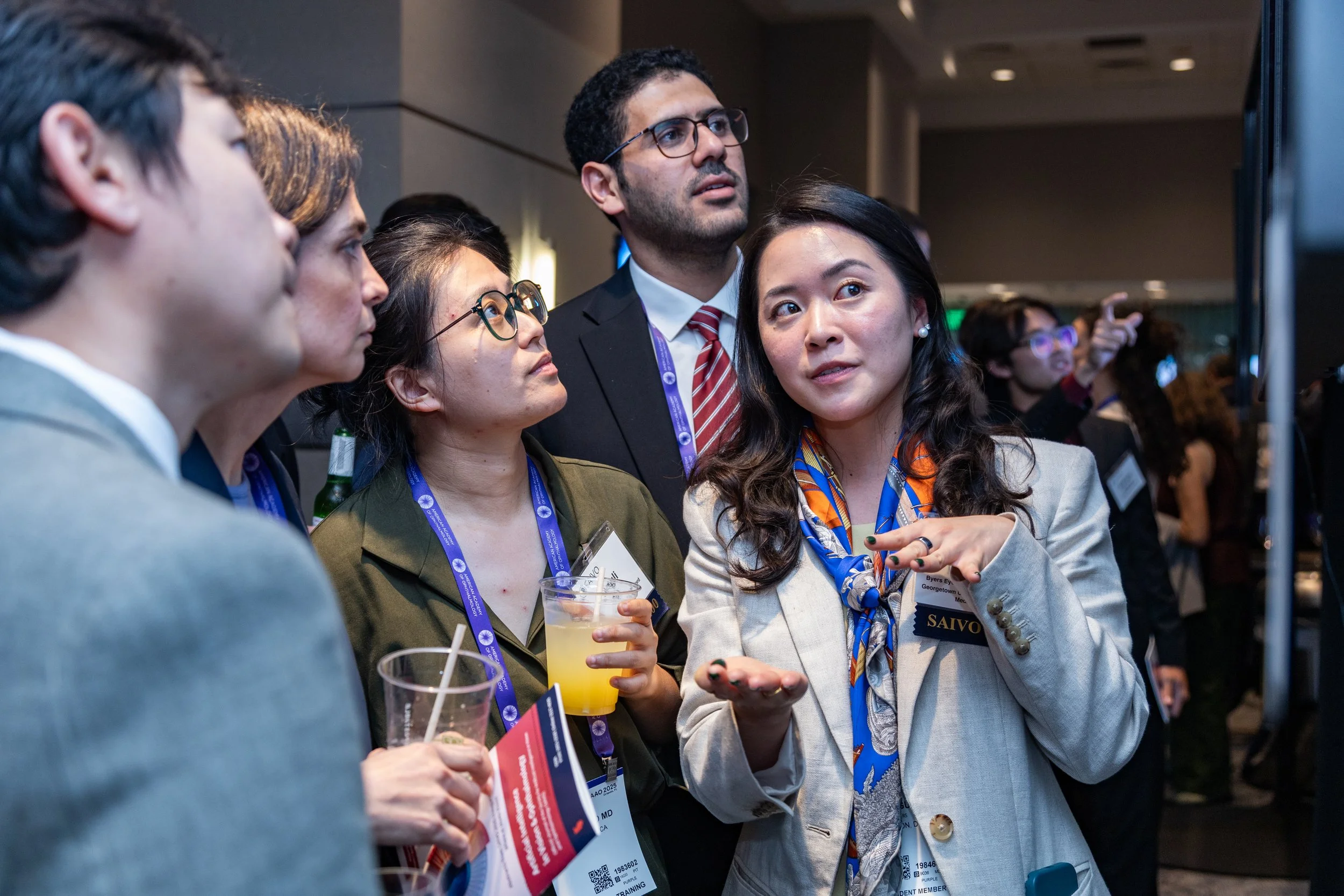
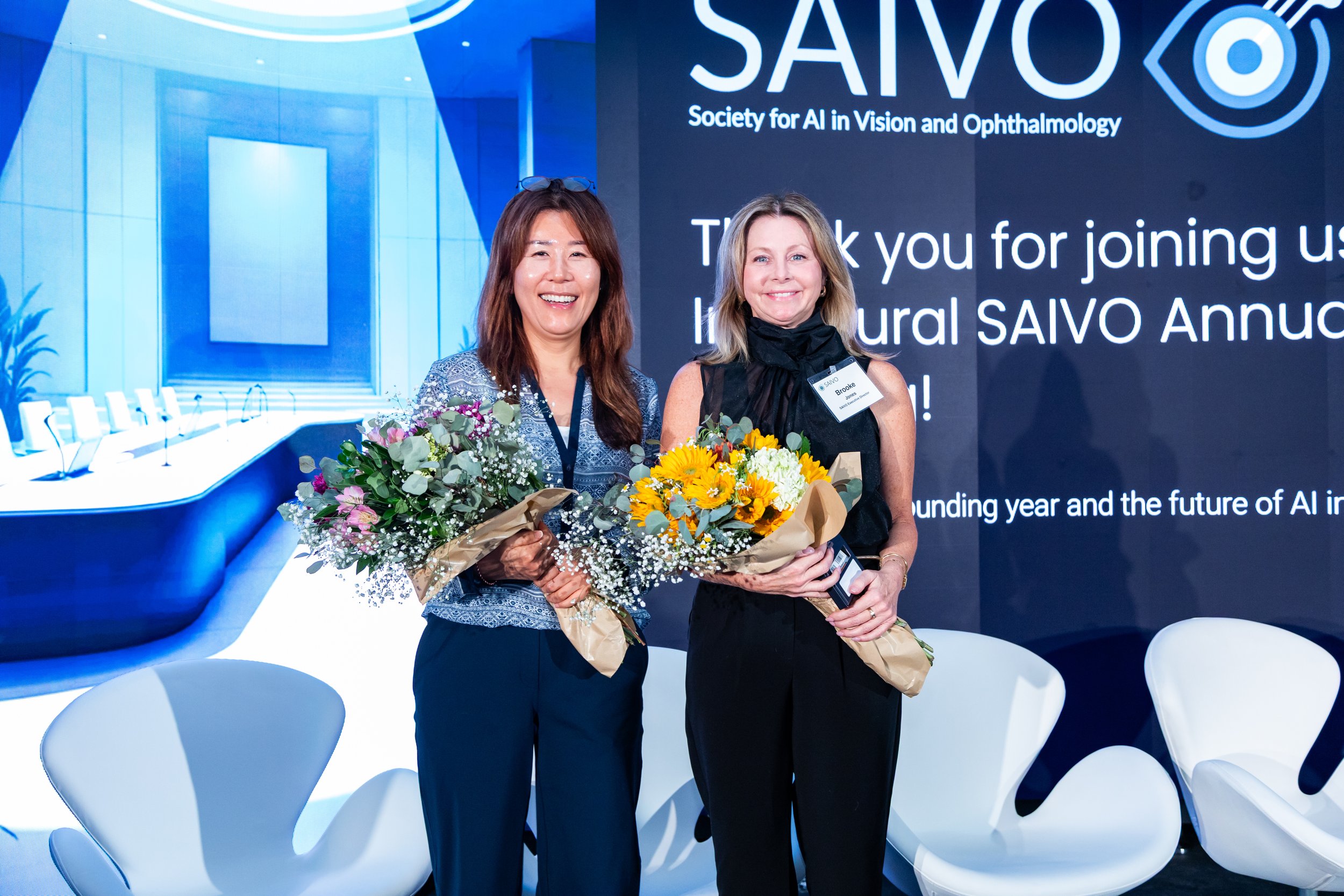
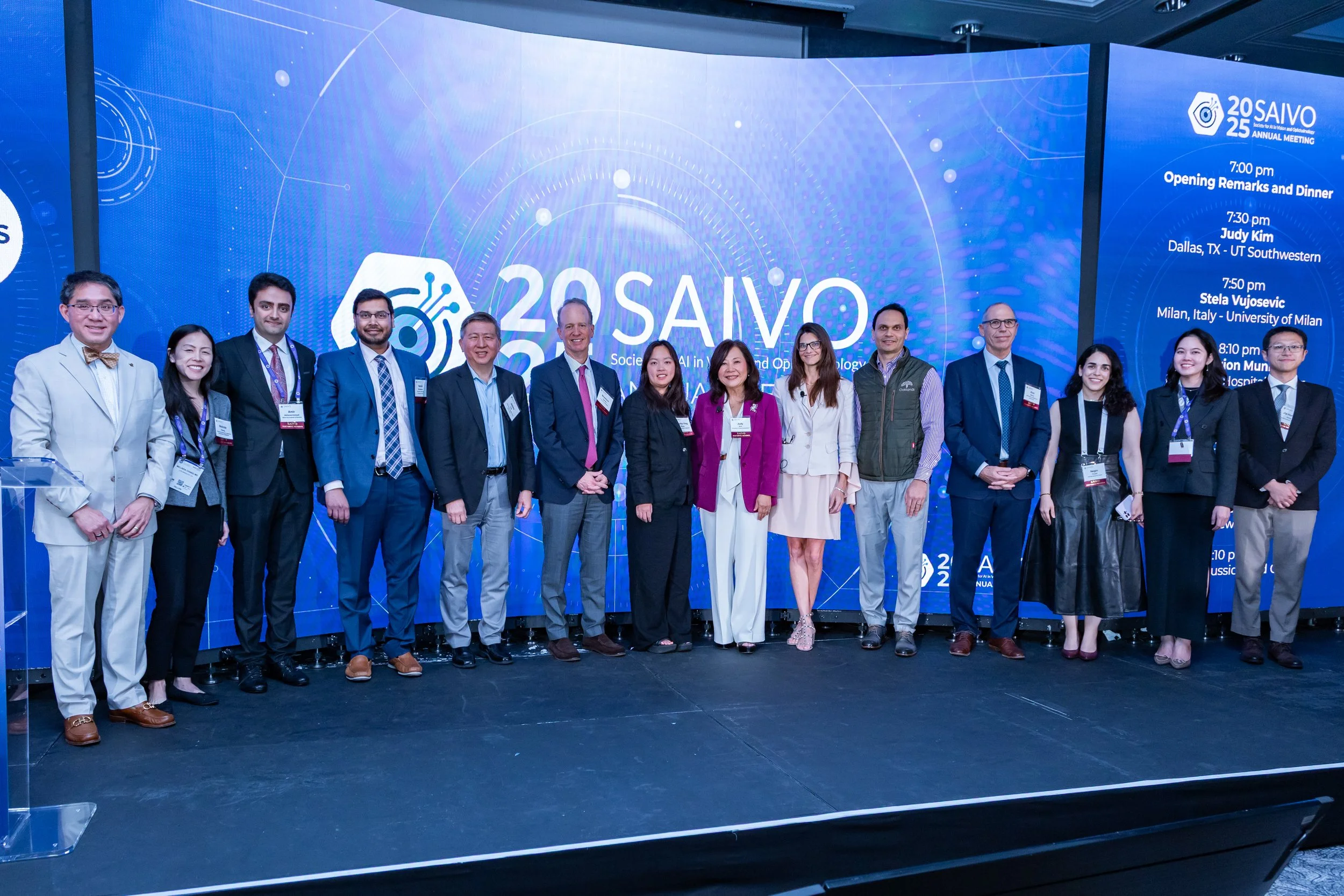
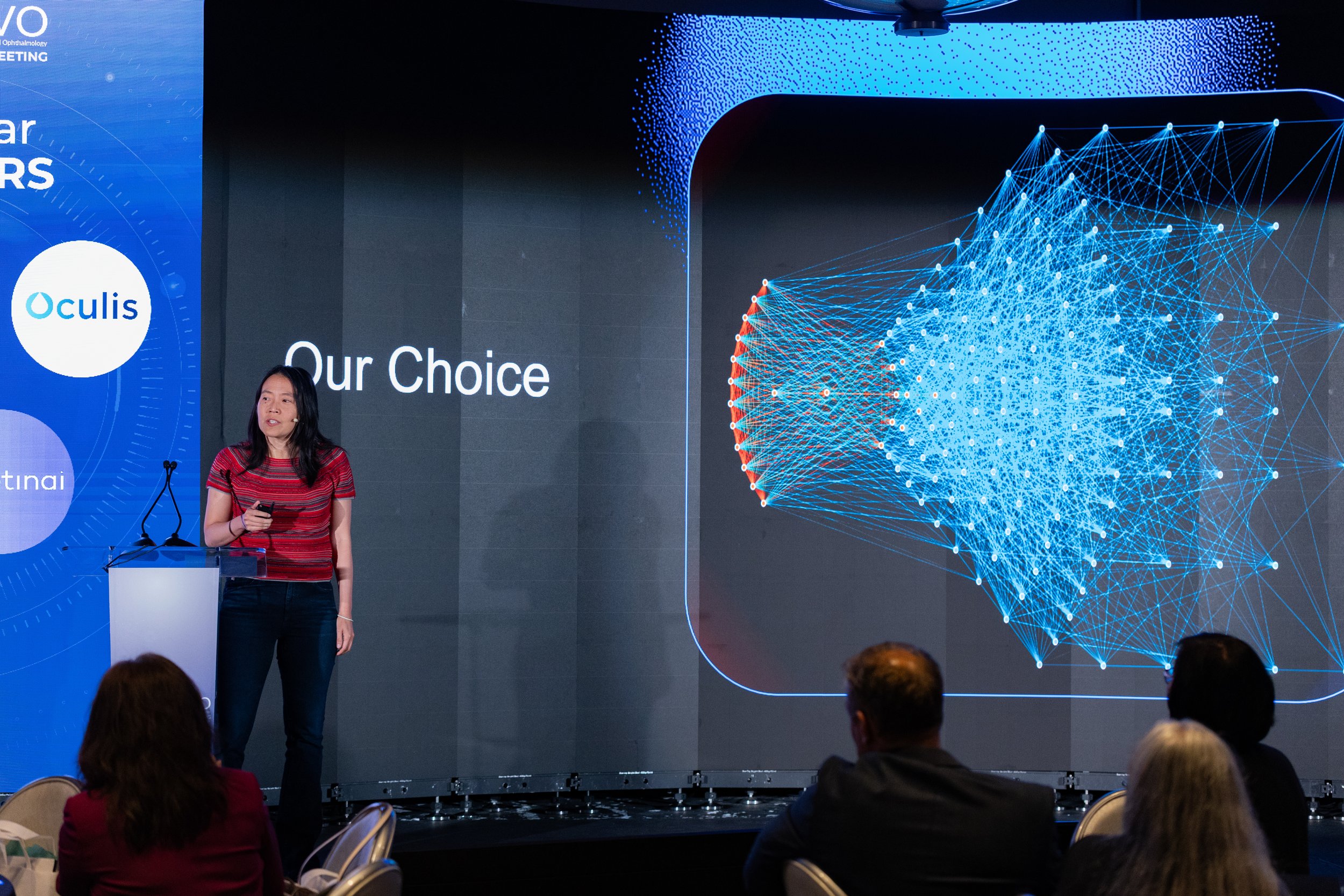
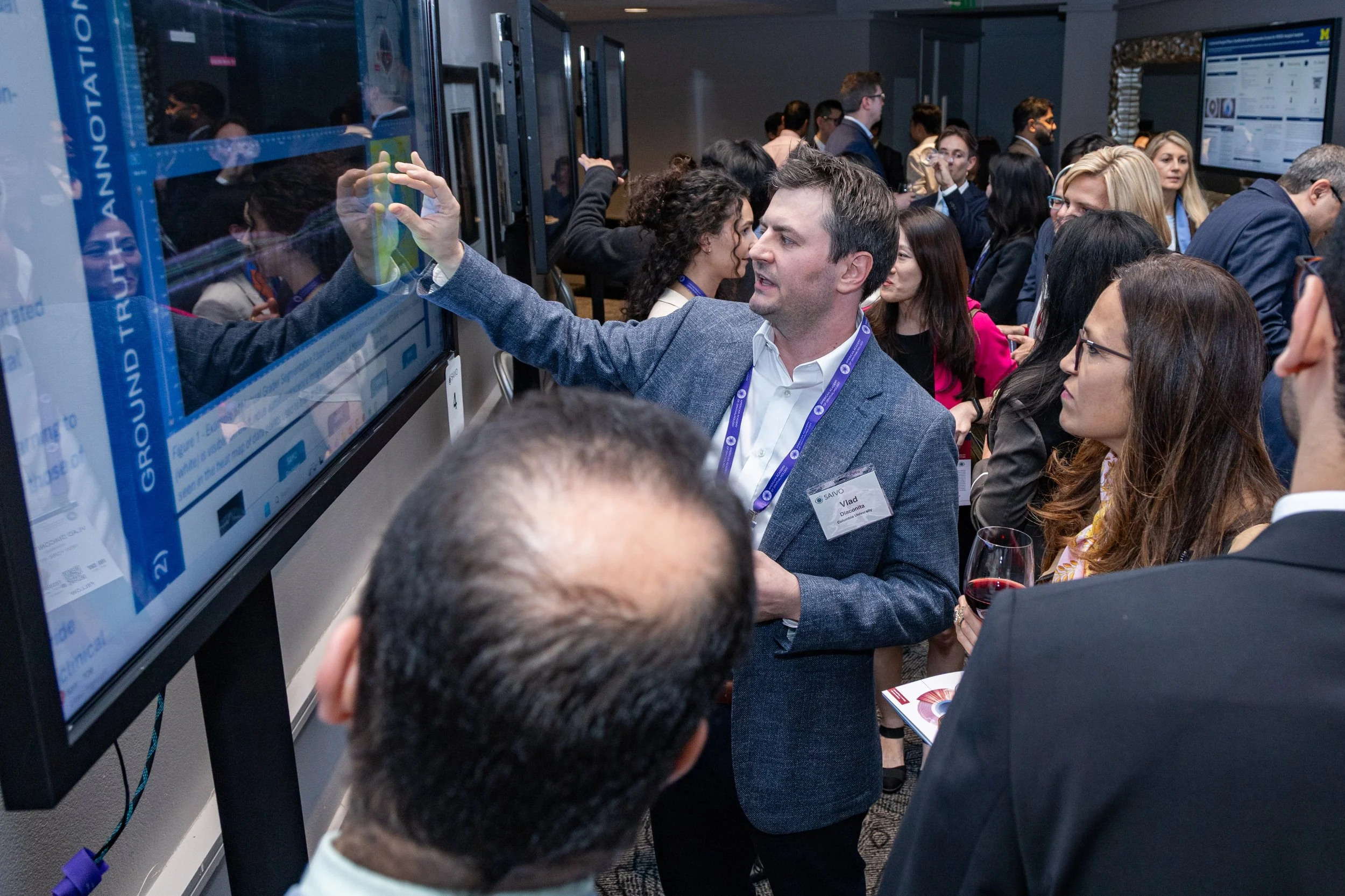
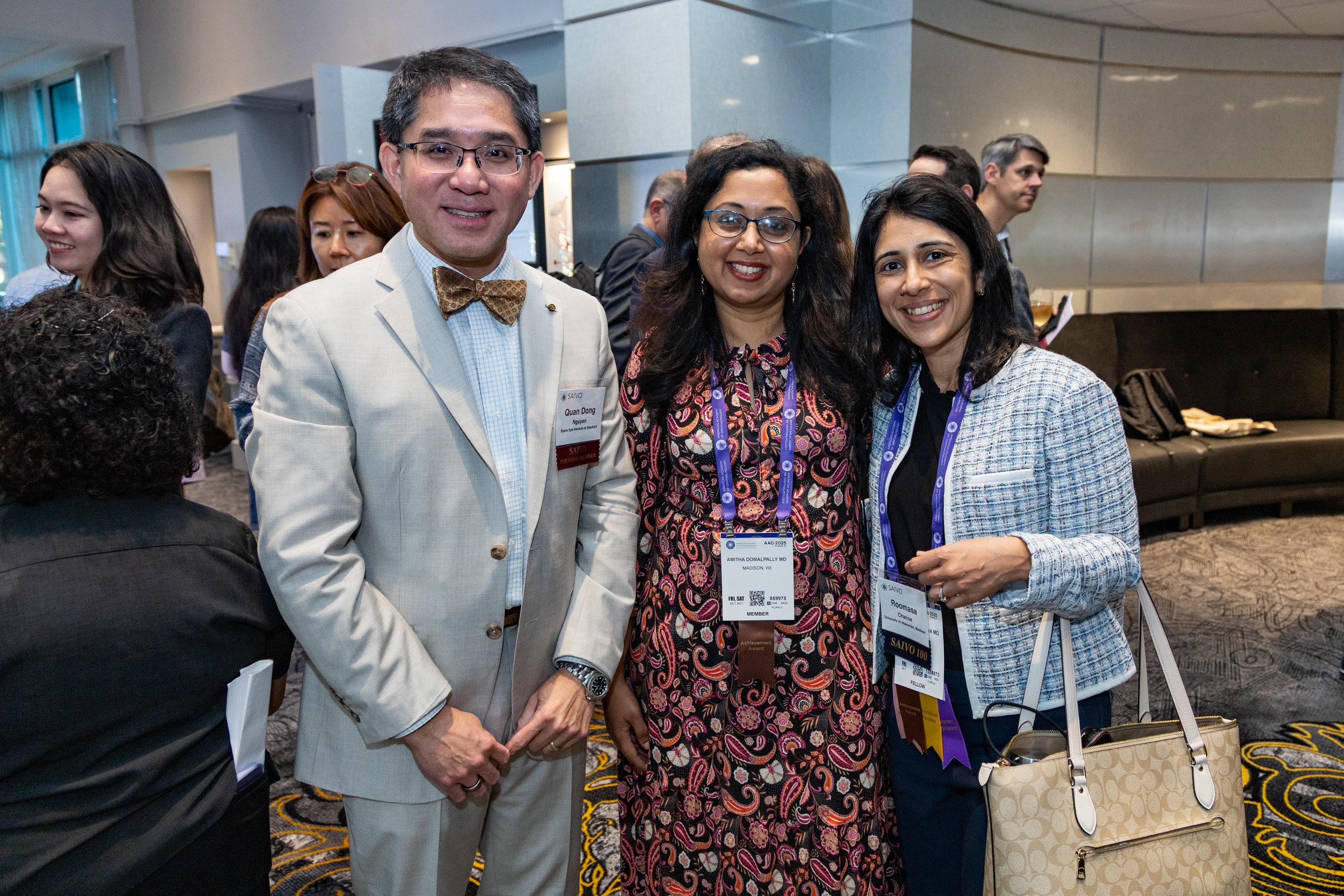
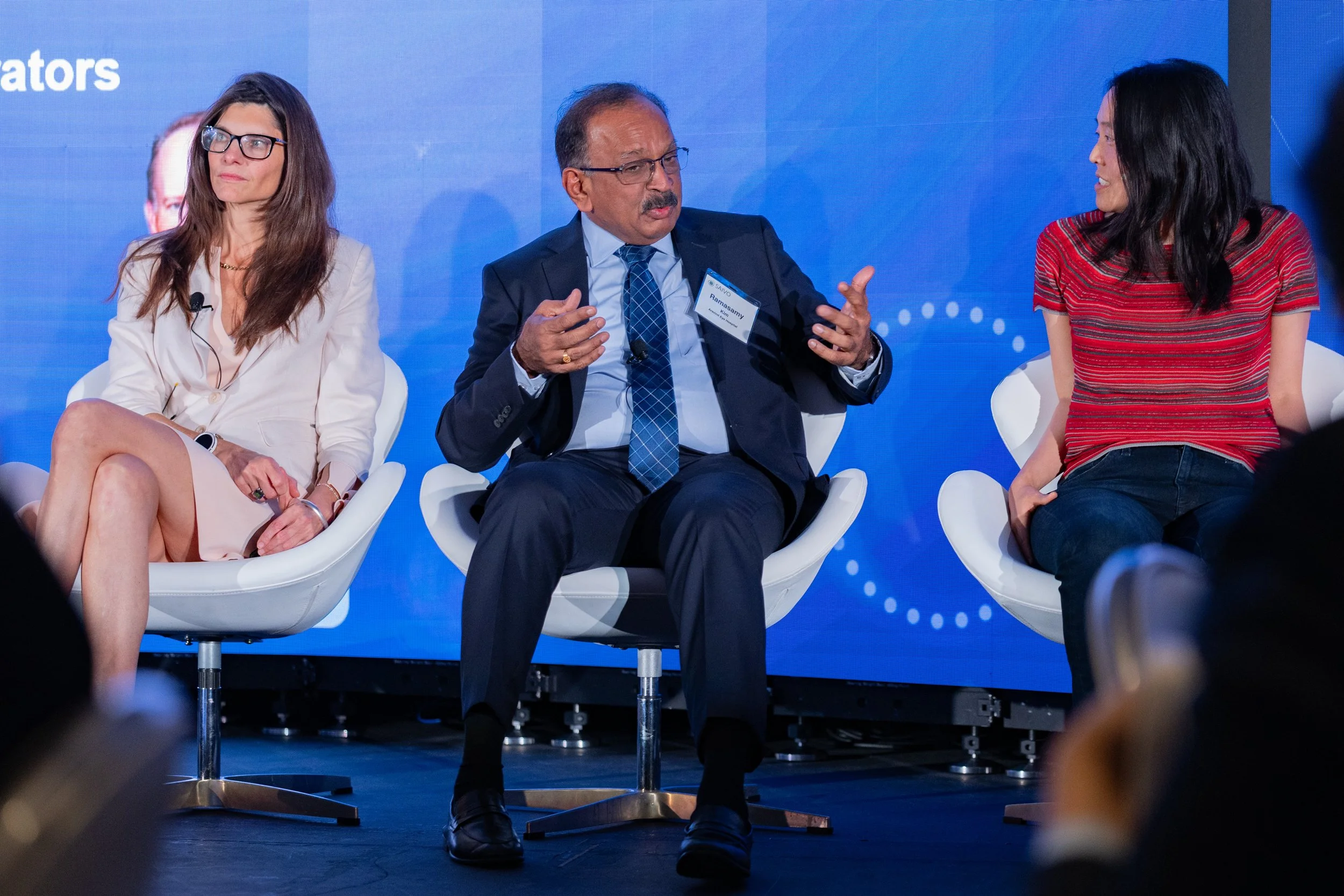
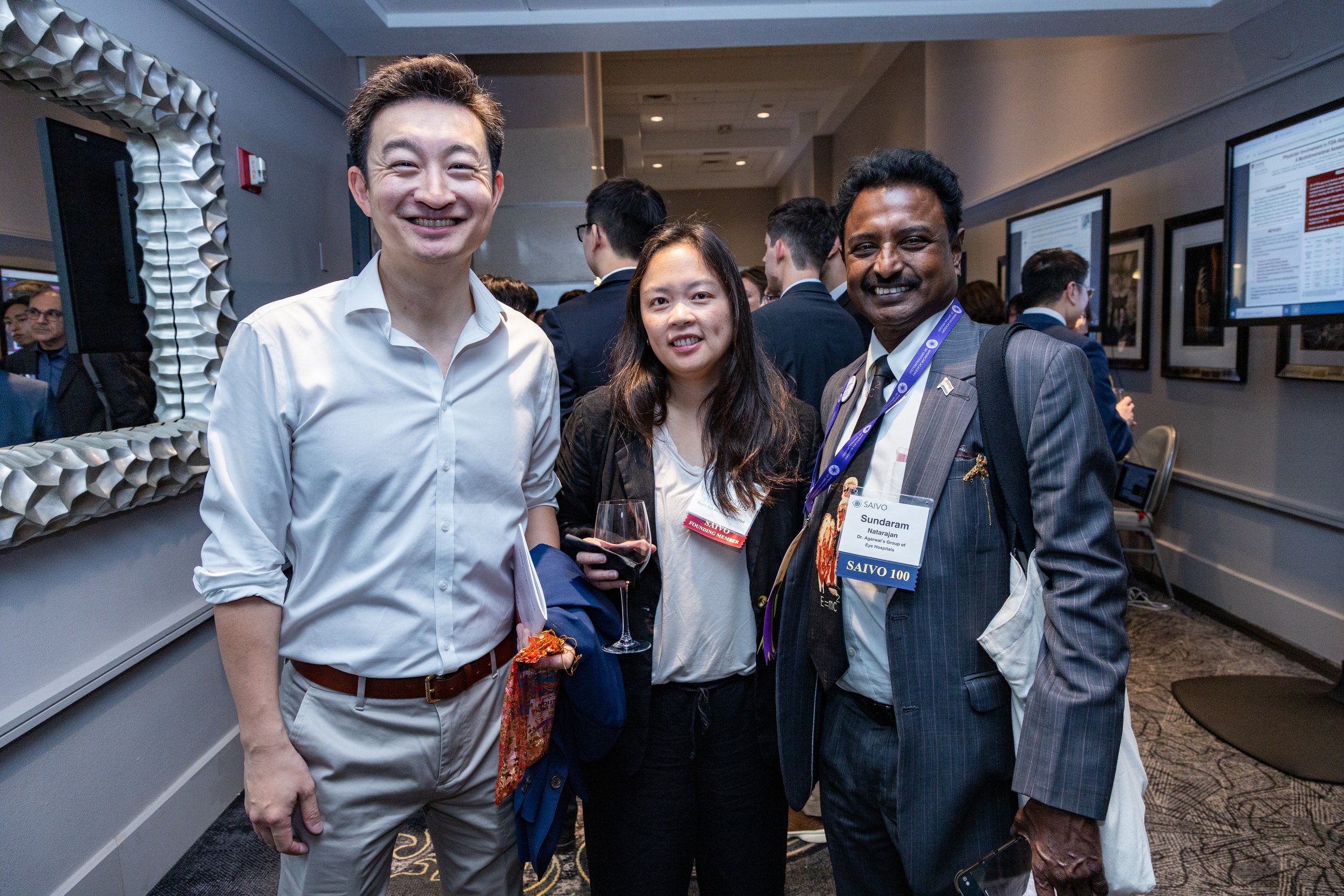
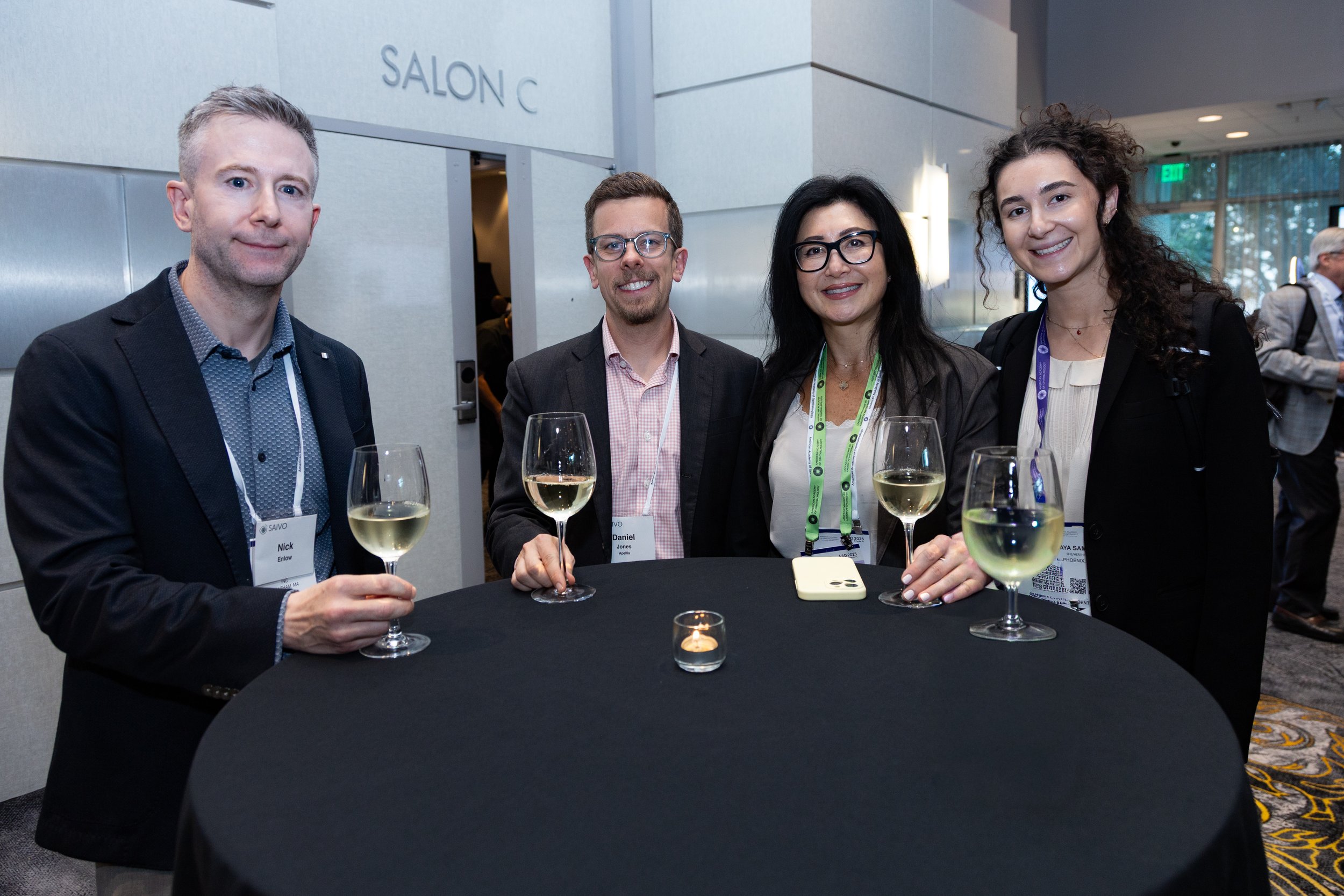
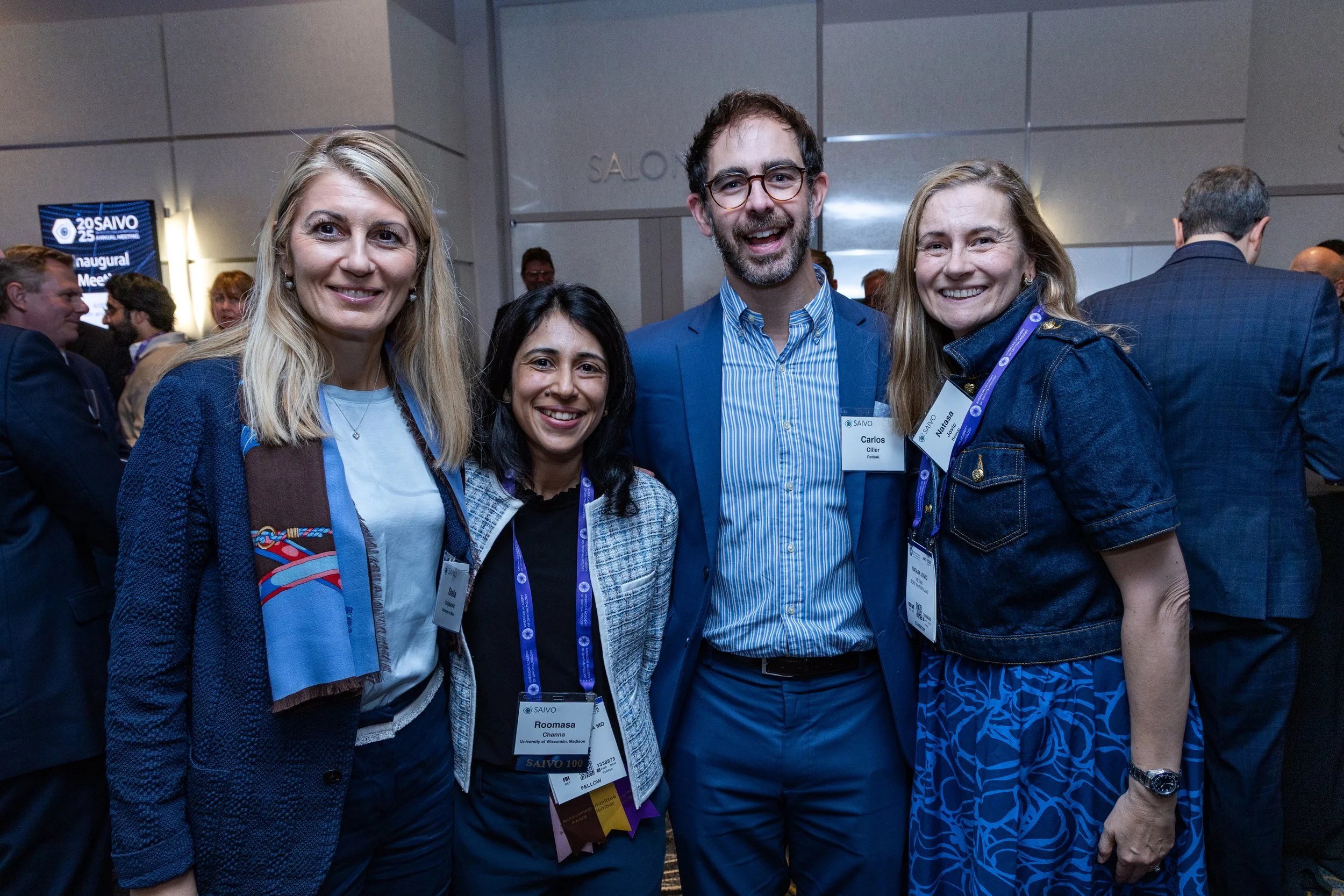
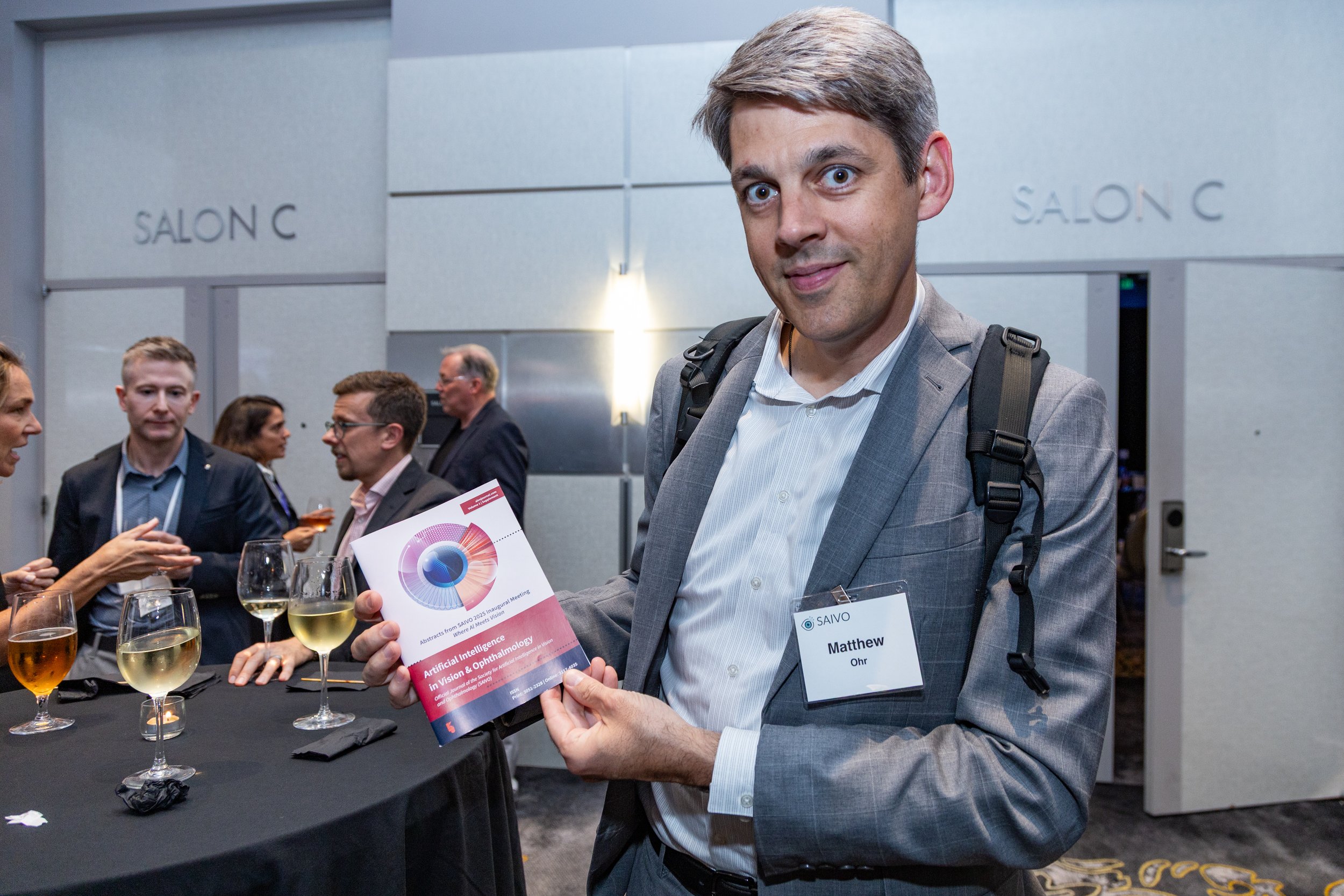
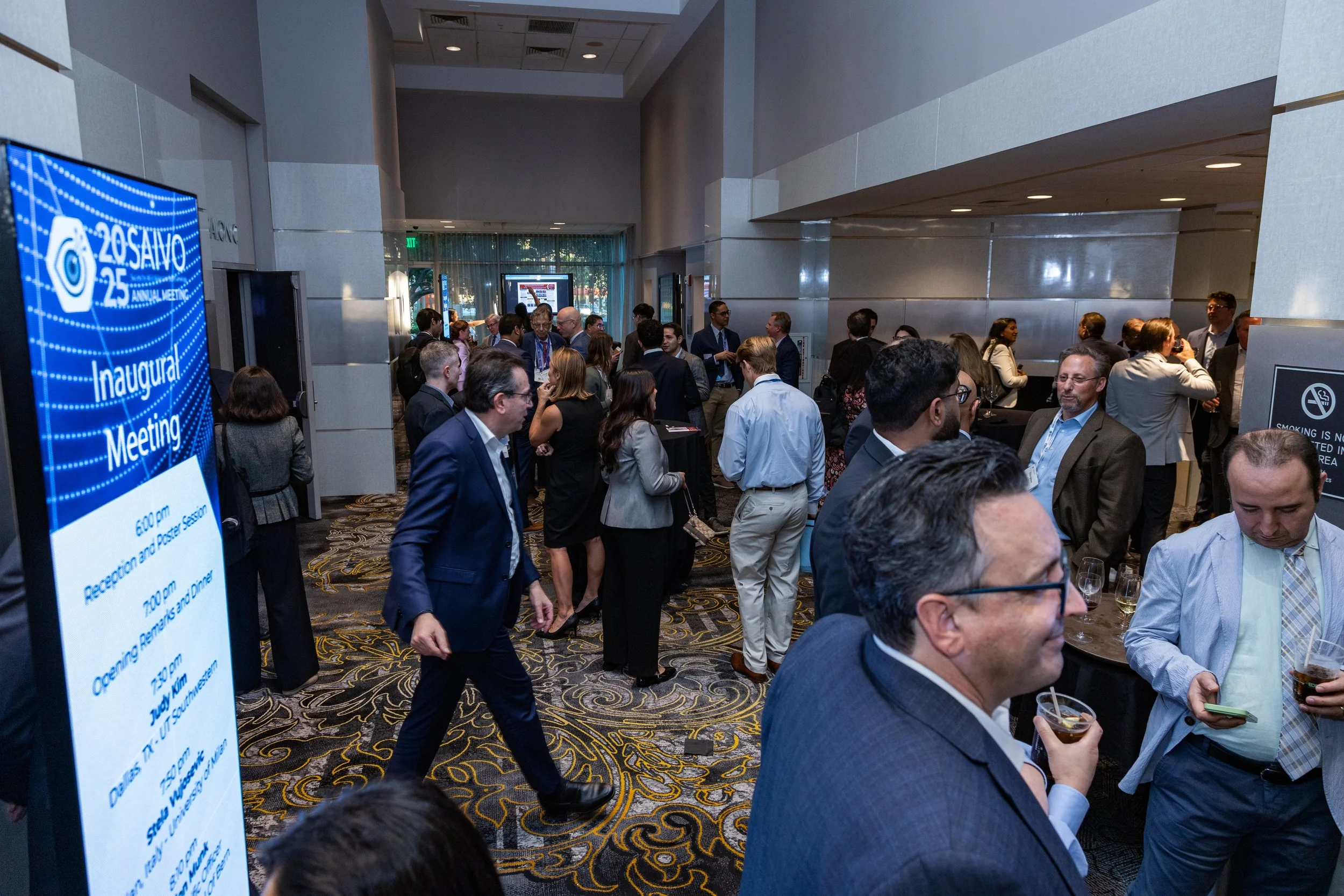
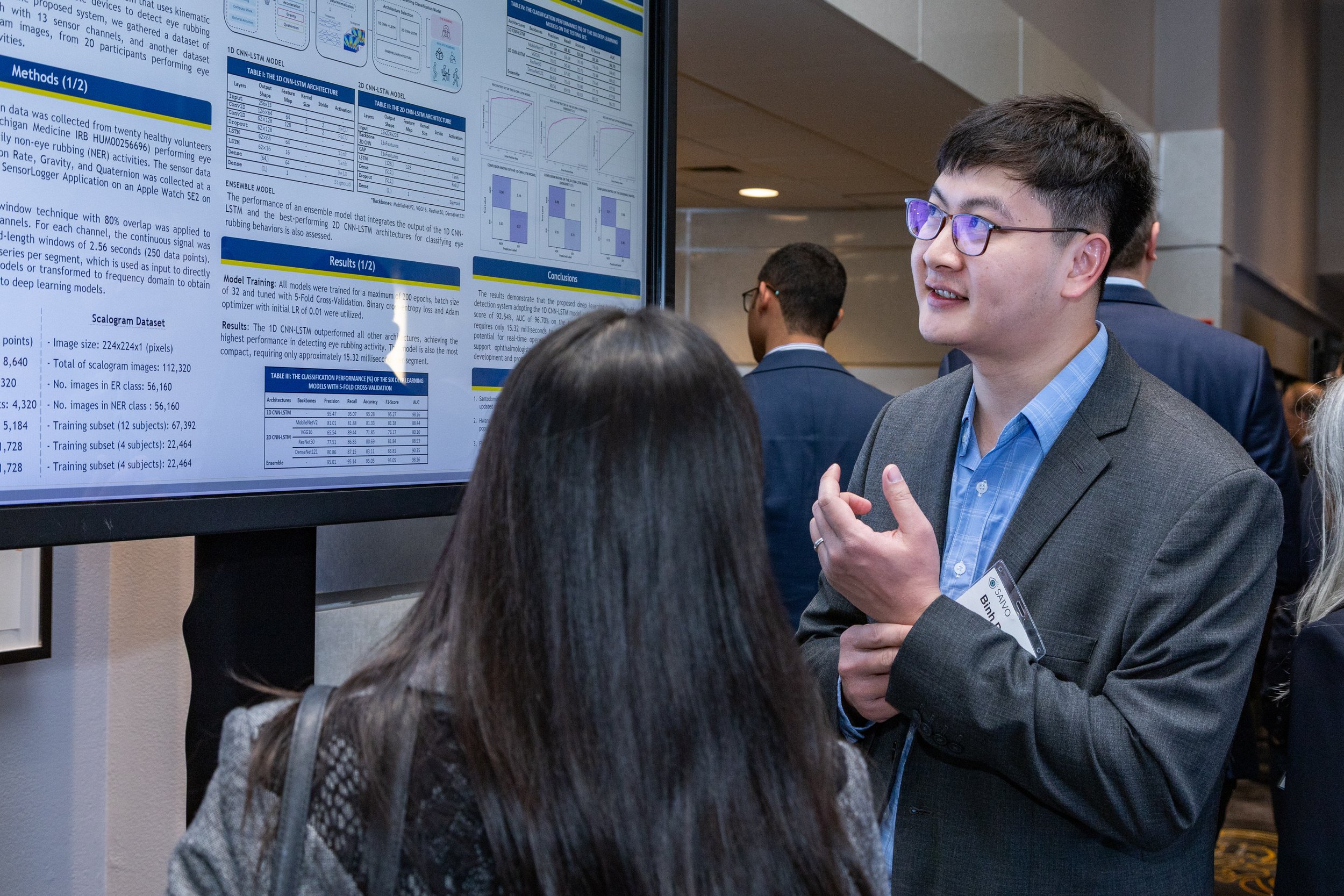
SAIVO’s Annual Meeting seeks to foster community at the intersection of AI and eye care.
-

Where Eye Care and AI Meet
SAIVO’s Annual Meeting is the premier global forum where innovation meets impact. Join pioneers at the cutting edge of artificial intelligence, ophthalmology, and vision science as they discuss breakthroughs in clinical decision support, image analysis, and beyond. Whether you’re leading a lab, launching a product, or learning the fundamentals, the meeting is your front-row seat to the technologies transforming eye care worldwide.
-

Engage with a Global Inter-Disciplinary Network
More than just a conference, the SAIVO Annual Meeting is a catalyst for meaningful connection. You'll meet clinicians, researchers, engineers, entrepreneurs, and policymakers from across the globe—all working to solve the most pressing challenges in vision and AI.
-

Learn, Share, and Shape the Field
From keynote talks to a networking/poster session, the program is designed to spark learning at every level. Share your work, gain visibility, get feedback from thought leaders, and stay informed on emerging standards, ethical considerations, and translational pathways. Attendees will have a chance to guide SAIVO, eye care, and AI into the future.
Register for SAIVO Membership to Attend the Annual Meeting
